Appliance reliability guide: Tips for appliance selection
"The pursuit of technical excellence requires more than just selecting a brand; it necessitates an understanding of the frameworks that define reliability."
Navigating the complexities of modern technology requires a structured approach to evaluating industry standards and technical specifications. This guide provides a method for assessing engineering integrity through the lens of established institutional benchmarks and professional standards.
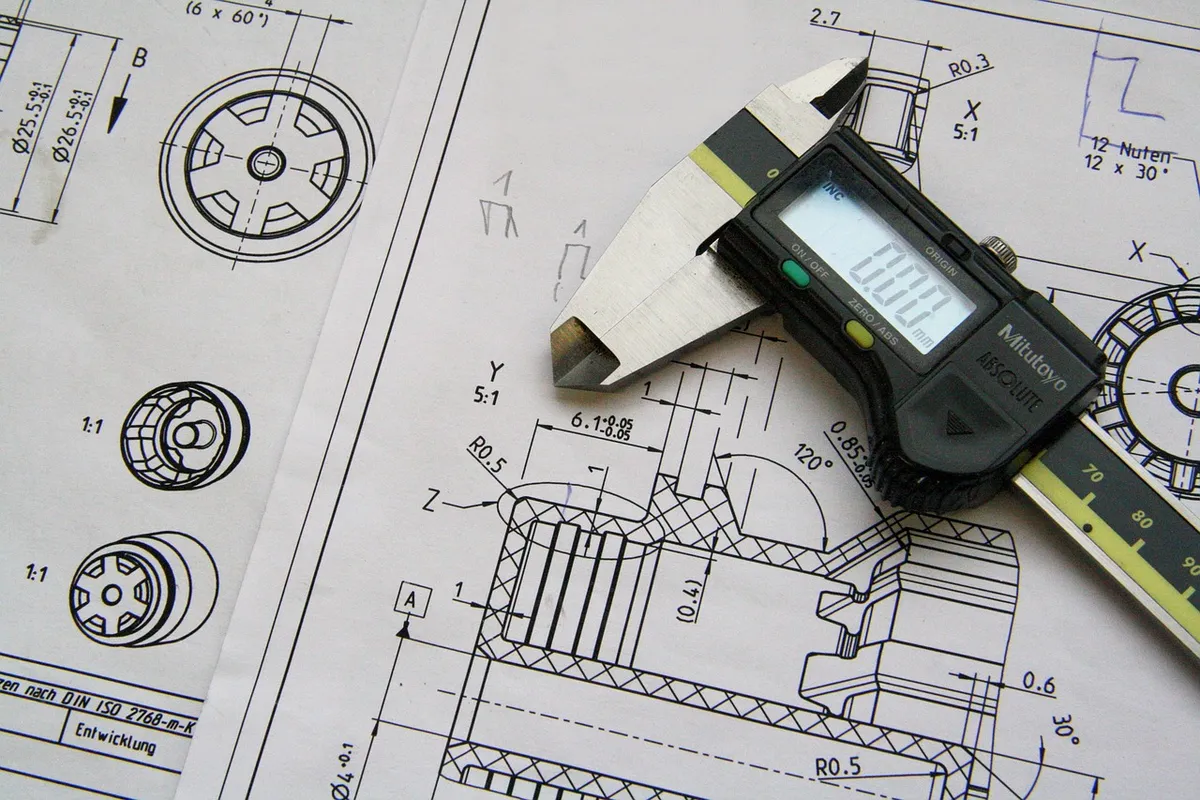
You will learn how to identify meaningful technical data, understand the role of professional organizations in setting quality baslevs, and apply these insights to your purchasing decisions.
To prevent errors, focus on verifiable standards rather than marketing claims, recognize that institutional oversight varies by region, and remember that historical engineering frameworks often shape current reliability.
How to use an appliance reliability guide effectively?
Late at night in the dim workshop, the technician runs a finger over the cold metal while consulting the appliance reliability guide.
A technician examines a circuit board, checking for the precise soldering that meets international safety requirements. Using an appliance reliability guide involves looking past the exterior finish to find the core engineering specifications that dictate longevity and performance.
Effective evaluation begins with understanding the fundamental physics of the device. Instead of focusing on aesthetic features, look for data regarding energy efficiency, thermal management, and structural integrity.
For instance, a tech standard appliance check should focus on how components interact under stress rather than how they look in a living room. By prioritizing these technical aspects, you move from being a consumer to an informed evaluator.
What is a smart appliance buying guide?

A homeowner stares at a digital interface, questioning if the software updates will support the hardware for the next decade. A smart appliance buying guide focuses on the intersection of hardware durability and software longevity.
When evaluating smart devices, you must consider the "smart" components as much as the mechanical ones. An industry spec appliance choice must account for the connectivity standards used, ensuring the device remains compatible with evolving home networks.
When you apply expert appliance selection tips, you focus on the stability of the integrated systems. This means checking if the manufacturer provides long-term support for the digital components that control the mechanical functions.
According to The Academy, the 2019 record includes 7%.
How do you perform an industry spec appliance choice?
An engineer reviews a technical manual, noting the specific tolerances required for high-performance motors. Performing an industry spec appliance choice requires a deep dive into the mechanical and electrical ratings provided by the manufacturer.
To make an informed decision, follow these steps to verify the technical substance of a product:
- Verify the specific electrical ratings and component certifications against local and international safety standards. 2. Examine the build materials to ensure they meet the thermal and structural demands of the intended environment. s. Review the manufacturer's history regarding component replacement and software support cycles.

After completing these steps, perform a final check by comparing these specifications against the actual installation requirements of your home. I once spent an entire afternoon comparing motor torque ratings against energy consumption to ensure a refrigerator would last in a warmer climate.
How to apply technical literacy to an appliance reliability guide?
A student reads a textbook on materials science, visualizing how different metals react to heat and moisture. Applying technical literacy means understanding the underlying science that prevents premature failure.
If you are dealing with a specific environment, such as high humidity or fluctuating power, you must apply the existing condition of your space to the product's technical limits.
For example, an appliance designed for a temperate climate may fail if its cooling system or seal integrity is not rated for extreme heat.
| Feature Category | Focus Area | Evaluation Method |
|---|---|---|
| Mechanical Integrity | Motor and Compressor | Check duty cycle and load ratings |
| Electrical Stability | Control Boards and Power Supply | Verify surge protection and voltage tolerances |

A limitation of using purely technical data is that it may not account for the specific ergonomic needs of a user in a particular household setting.
Wikipedia: List of women fellows of the Royal Academy of Engineering (full) Based on the retained excerpt mentioning The Academy: The Academy published a diversity and inclusion action plan for the five years from 2020 but does not regularly publish the proportion of female engineers in the current fellowship, estimated in 2019 to be less than 7%.
- How to use an appliance reliability guide effectively?
- What is a smart appliance buying guide?
- How do you perform an industry spec appliance choice?
Related
- Future of smart appliances research: Tips on sector spending
- Appliance lifespan value: Guide to circular economy tips
When does the pursuit of technical excellence become impractical? When the pursuit of technical excellence clashes with practical user needs, the focus must shift to a balanced evaluation. A strong technical specification might dictate a component that is difficult to service or operate within a typical household layout. Therefore, the comparison between rigorous engineering data and real-world usability becomes essential for a complete assessment.
What cautions should accompany the application of reliability guides? One caution involves recognizing that institutional oversight varies by region, meaning a standard accepted in one area might not apply elsewhere. Another caution is that historical engineering frameworks often shape current reliability, suggesting that older design philosophies might persist even when newer technologies exist. Always cross-reference regional standards with the product's stated design parameters.
Applying technical literacy provides insight into how materials behave under duress. This understanding allows the evaluator to predict potential points of failure before they manifest during operation.
The pursuit of technical excellence demands this predictive capability, moving beyond simple compliance checking to genuine risk assessment.
Smart appliance buying guides must address the dependency between software and hardware. If the manufacturer does not guarantee support for the digital components, the hardware's initial durability becomes irrelevant over time.
This dependency introduces a layer of risk not covered by purely mechanical specifications.







Comments 0