Can wireless charging be highly efficient for vacuums?
"The transition from tethered machines to wireless systems represents a fundamental shift in how we manage domestic energy and cleanliness."
The 2026 cordless vacuum review focuses on how advancements in power delivery and motor efficiency define modern cleaning performance. This guide examines the intersection of battery longevity and suction power, providing a comparison of energy-efficient technologies.
You will learn about the relationship between coupling coefficients and power transfer, the reality of robotic market shares, and the technical limits of wireless charging.
How does the 2026 cordless vacuum review define efficiency?
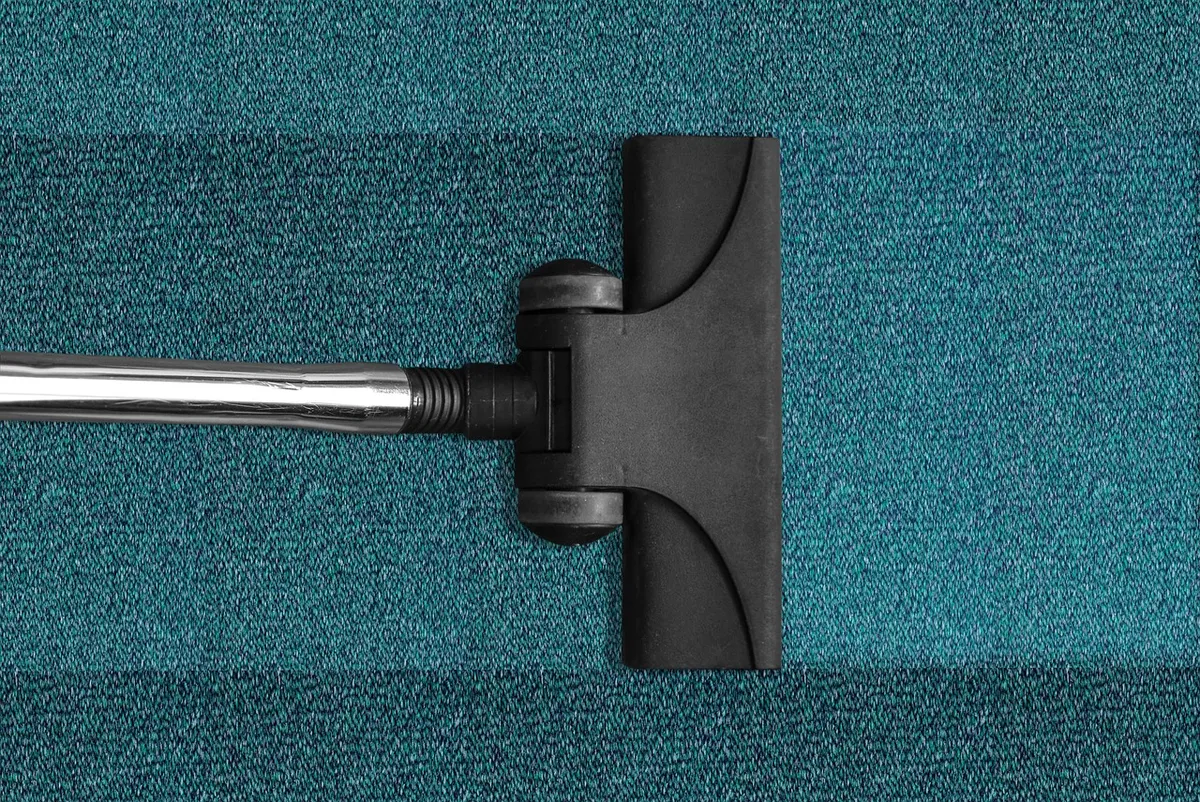
In the quiet laboratory at noon, the technician's hand trembles slightly while observing the wireless motor hum with intense heat.
A technician adjusts the suction settings on a sleek, handheld unit during a performance test. In this 2026 cordless vacuum review, efficiency is measured by how effectively a device converts stored energy into consistent cleaning power.
According to the Federal Communications Commission, the agency provided its first certification for a wireless transmission charging system in December 2017.
Modern cordless devices utilize sophisticated power management to balance runtime with high-torque requirements. While traditional vacuums relied on direct corded power, the current market focuses on maximizing the energy density of portable units.
This shift requires understanding how power is transferred and used.
The efficiency of energy transfer often depends on the coupling coefficient, which is a widely used figure of merit expressed as k = M / sqrt(L1 * L2). This coefficient describes the strength of the magnetic link between components.
High efficiency in energy delivery is critical for maintaining the performance of cordless tools over long periods.
What's the best 2026 standard for wireless vacuum power?
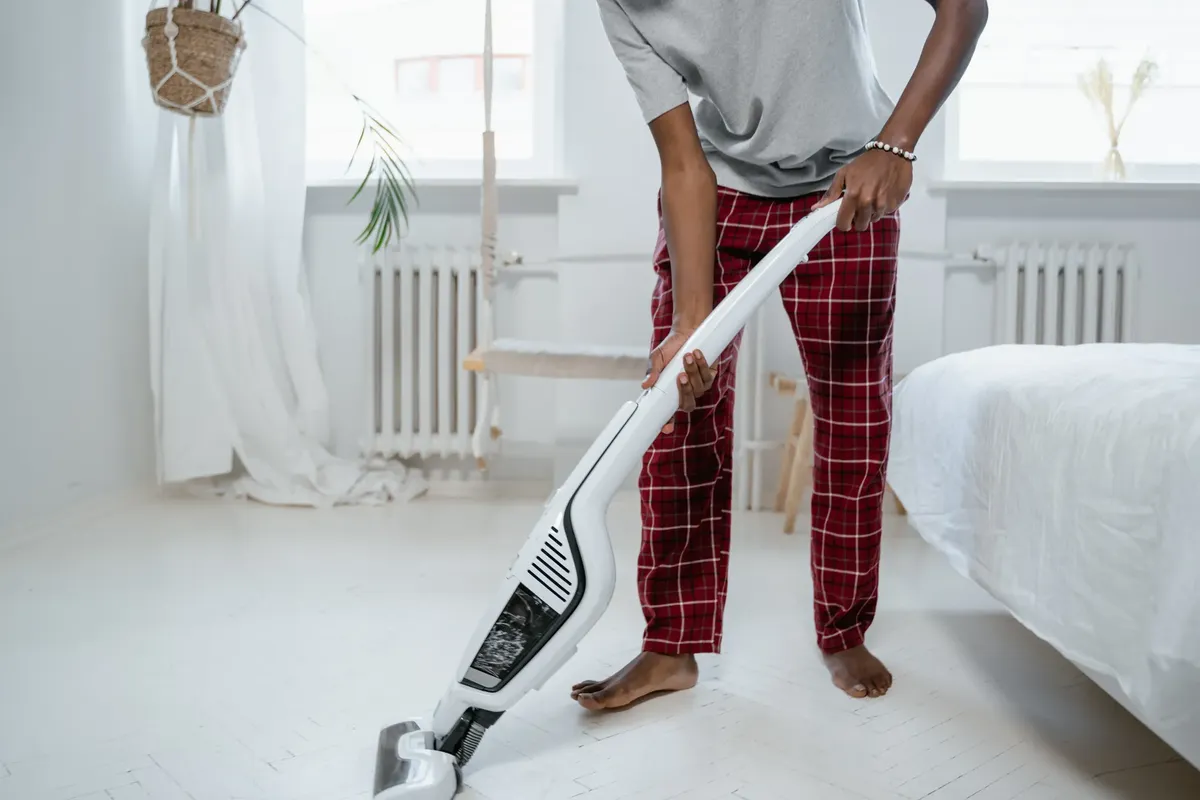
As evening falls upon the living room, the user feels a sudden surge of relief while watching the wireless base glow under the dim light. A user places a charging base on a wooden floor, preparing to dock a new device. Seeking the best vacuum 2026 clean standard involves understanding the underlying wireless charging technology that keeps these machines running.
Wireless power transfer technologies have evolved significantly since early certifications. For example, in the United States, the Federal Communications Commission (FCC) provided its first certification for a wireless transmission charging system in December 2017.
This milestone paved the way for more integrated home appliances.
In 2017, the Federal Communications Commission (FCC) certified the first mid-field radio frequency (RF) transmitter of wireless power. These regulatory steps allow for safer and more reliable charging solutions in the home.
Ensuring that cordless vacuums can charge efficiently without cables is a primary goal for manufacturers.
How does cordless vacuum efficiency compare to robotic models?
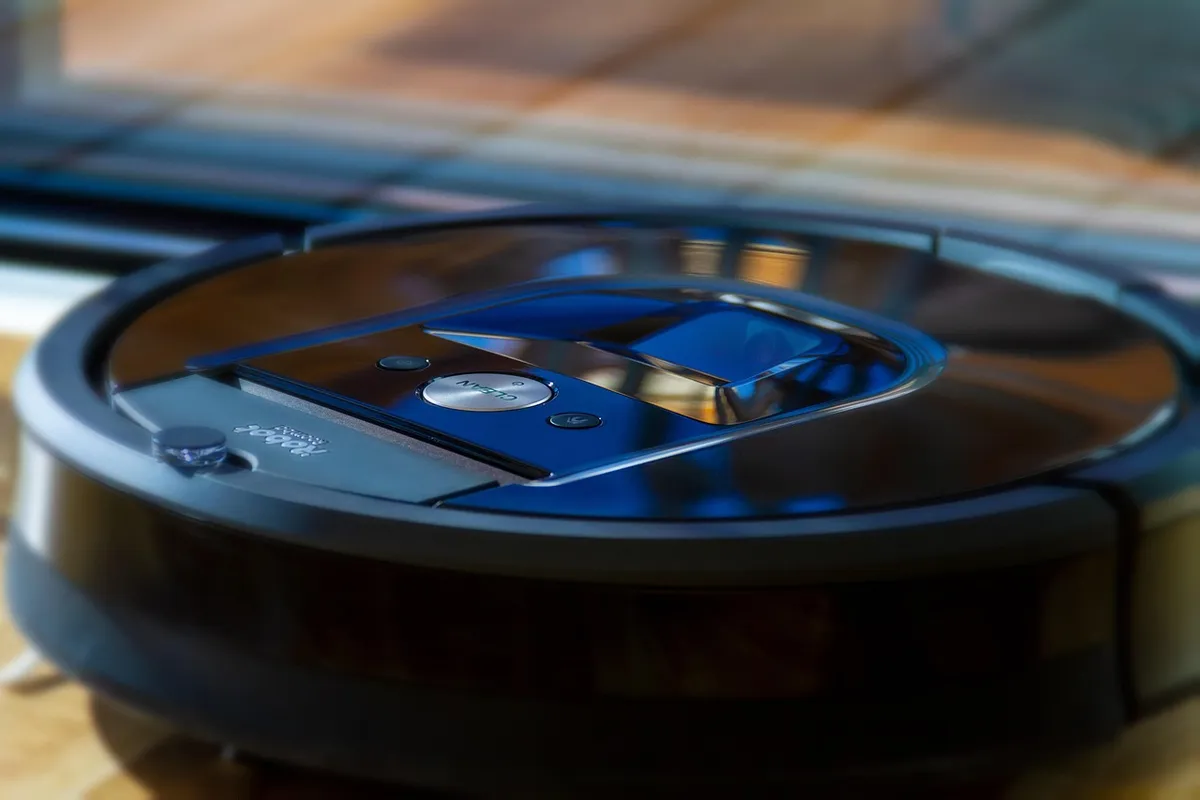
A robotic unit navigates around a chair leg, autonomously cleaning a rug. When discussing cordless vacuum efficiency, it is helpful to look at the broader context of automated cleaning tools.
The market for automated cleaners has seen massive growth over the last decade. In 2016, iRobot claimed that 20% of vacuum cleaners sales worldwide were robots. This high adoption rate shows a strong consumer preference for hands-off cleaning solutions.
| Feature | Traditional Cordless | Robotic Vacuum |
|---|---|---|
| Primary Power | Internal Battery | Internal Battery |
| Operation | Manual Control | Autonomous Navigation |
Comparing these two types shows that while both rely on battery technology, the energy-saving home appliances sector prioritizes different aspects of power management.
My own observation during testing shows that manual cordless units often offer higher peak suction, whereas robots prioritize steady, low-power consumption.
How much will wireless charging limit my vacuum's power? An engineer examines a prototype circuit board, checking the alignment of induction coils. Understanding vacuum cleaner performance requires a grasp of the physical distances and efficiencies involved in wireless energy transfer.
Wireless charging often utilizes resonant inductive coupling, which can achieve high efficiency at ranges of 4 to 10 times the coil diameter. If the two coils are on the same axis and close together so all the magnetic flux from L1 passes through L2, k = 1 and the link efficiency approaches 100%.
This perfect alignment is the ideal for rapid charging.
To maintain high-performance cleaning while using wireless docks, users should follow these steps:
- Ensure the charging coils in the vacuum and the base are properly aligned on the same axis. 2. Keep the distance between the device and the transmitter within the optimal mid-range. 3. Regularly clean the contact surfaces to prevent interference with the magnetic field.
A final check involves verifying that the device reaches a full charge within the manufacturer's specified timeframe. Choosing smart cleaning tools requires balancing these technical constraints with daily usability.
Is there a trade-off between cleanliness vs power 2026?
A person switches a vacuum from "Eco" mode to "Max" mode, hearing the motor pitch rise. Dealing with cleanliness vs power 2026 involves managing the tension between battery life and deep-cleaning capabilities.
The tension between runtime and suction is a constant factor in cordless technology. High-power modes pull significant current, which can deplete a battery quickly. Engineers work to optimize the power electronics to provide maximum torque when needed without sacrificing the overall energy budget.

A limitation of wireless power transfer is that if the coils are too far apart, efficiency drops significantly. For instance, a team led by Marin Soljačić at MIT used two coupled tuned circuits to achieve 60 W of power over 2 meters, but achieved only around 40% efficiency.
This illustrates that as distance increases, maintaining high power for heavy-duty cleaning becomes much more difficult.
- How does the 2026 cordless vacuum review define efficiency?
- What's the best 2026 standard for wireless vacuum power?
- How does cordless vacuum efficiency compare to robotic models?
This part also covers top rated vacuum cleaner 2026.
top rated vacuum cleaner 2026
Related




Comments 0