How should I set the temperature for perishable food?
"The optimal temperature range for perishable food storage is 3 to 5 °C (37 to 41 °F)."
Maintaining a modern appliance requires understanding specific thermal requirements to ensure food safety and energy efficiency. This guide covers optimal temperature settings, freezer management, and energy-saving habits for your 2026 refrigerator.

* Keep perishable food between 3 to 5 °C (37 to 41 °F). * Store frozen items at or below −18 °C (0 °F) for indefinite safety. * Avoid over-cooling the freezer to prevent refrigerator temperature fluctuations.
How should I set the temperature for perishable food?
At midnight in the quiet kitchen, I reach for the dial to ensure the air feels perfectly chilled, knowing how the setting should be adjusted for freshness.
A hand reaches for the digital thermostat, adjusting the numbers to ensure the crispness of vegetables remains intact. Setting the right environment is the first step in any 2026 refrigerator guide.
The optimal temperature range for perishable food storage is 3 to 5 °C (37 to 41 °F). Maintaining this specific window helps prevent spoilage while keeping the internal environment stable for various grocery items.
If the temperature fluctuates too much, the quality of fresh produce may decline quickly. Using these precise settings ensures that the cooling system works efficiently without overtaxing the compressor.
How do I manage the freezer compartment? 2026 refrigerator guide
I pull my hand back from the icy bin in the kitchen as I realize how much the frost should be managed to maintain stability.
A heavy bag of frozen peas is placed into the frosty bin, where the air feels biting and dry. Managing a freezer requires a different approach than the main cabin.
Food stored at or below −18 °C (0 °F) is safe indefinitely. Most household freezers maintain temperatures from −23 to −18 °C (−9 to 0 °F), although some freezer-only units can achieve −34 °C (−29 °F) and lower.
It is important to note that refrigerator freezers generally do not achieve lower than −23 °C (−9 °F) because the same coolant loop serves both compartments.
Lowering the freezer compartment temperature excessively causes difficulties in maintaining above-freezing temperature in the refrigerator compartment.
What are the steps for adding frozen food?
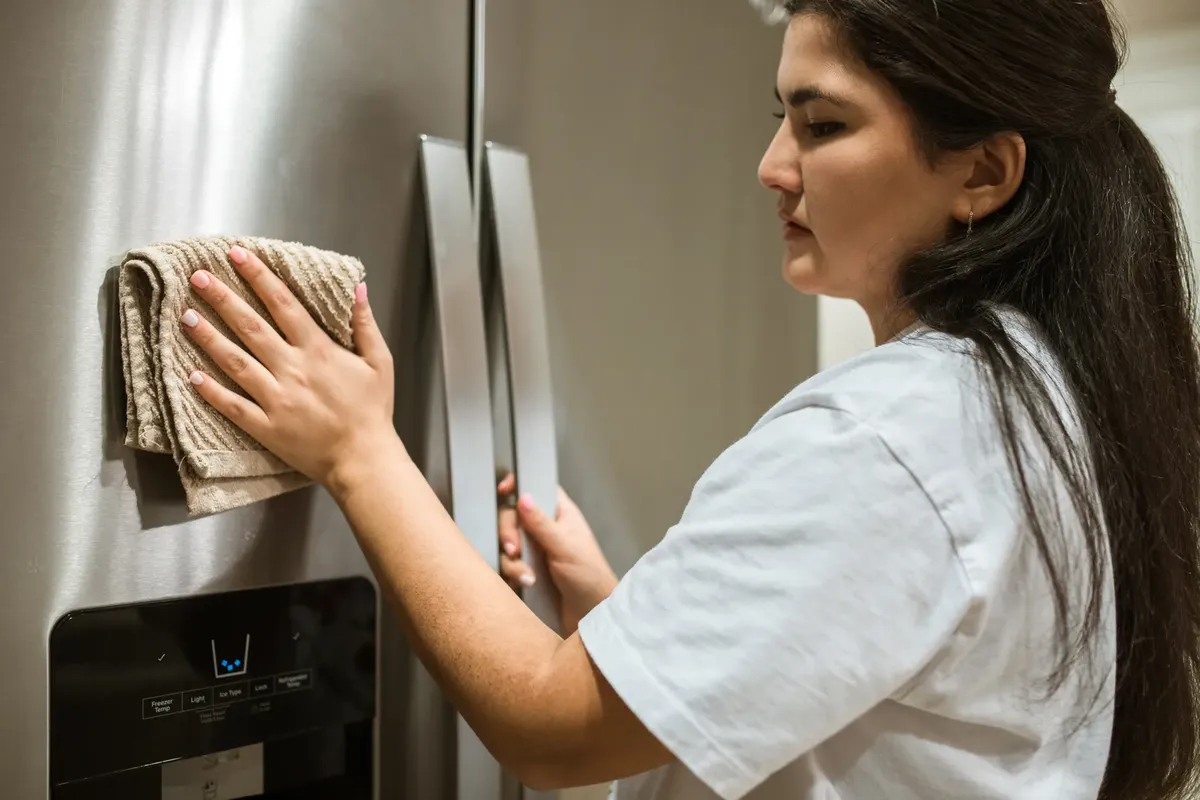
A tray of homemade meals sits on the counter, waiting to be integrated into the frozen storage. Integrating new items requires a mindful approach to prevent temperature spikes.
To maintain stability, follow these steps:
- Prepare the new food items to ensure they are ready for immediate storage. 2. Use the defrost or rapid-cool feature several hours before adding more than 1 kg of unfrozen food to the freezer. 3. Distribute the items so that airflow remains unobstructed.
I once tried to pack a large batch of soup into the freezer at once, and the sudden temperature rise affected the rest of the items. Always remember to use the recommended feature before adding significant quantities of unfrozen food.
| Storage Type | Recommended Temperature |
|---|---|
| Perishable Food | 3 to 5 °C (37 to 41 °F) |
| Frozen Food | −18 °C (0 °F) or below |
How can I improve refrigerator efficiency?
The door seal is checked for a tight fit, ensuring no cold air escapes into the warm kitchen. Efficiency is a key component of smart fridge care guide principles.
Using glass doors to allow inspection of contents improves efficiency significantly over open display cases, which use 1.3 times the energy. Keeping the door closed and minimizing the time it stays open helps maintain a steady internal climate.
Energy management is also part of best fridge efficiency. By keeping the temperature within the recommended ranges, you prevent the motor from running constantly to compensate for temperature swings.
What are the limits of residential cooling?
A technician examines the cooling coils, noting the limits of the standard household unit. Understanding the boundaries of your appliance is essential for comparing fridge power use.
While industrial or laboratory equipment can reach extreme lows, residential units have practical limits. For example, ultra-cold freezers used for biological samples use two stages of cooling, whereas household units rely on a single loop.

This distinction is vital because attempting to reach ultra-low temperatures on a standard unit can cause the refrigerator section to warm up. Household systems are designed for food preservation, not for cryogenic storage.
- How should I set the temperature for perishable food?
- How do I manage the freezer compartment?
- What are the steps for adding frozen food?
The same subject is also called new fridge usage tips.
The same subject is also called affordable fridge buying.
This part also covers how to use 2026 fridge.
This part also covers managing modern refrigerators.
how to use 2026 fridge
Related
- Fridge energy guide: Best tips for efficient appliance use
- Fridge power use guide: Best tips for food safety
How does temperature affect food quality?
Maintaining the optimal temperature range prevents the rapid decline in the quality of fresh produce. If the temperature fluctuates excessively, the integrity of various grocery items can suffer quickly.
The specific temperature window helps inhibit spoilage while keeping the internal environment stable for all stored goods.
What precautions should I take when adjusting settings?
Adjusting the digital thermostat requires careful consideration of the desired outcome for food preservation. One must avoid over-cooling the freezer compartment to prevent adverse temperature fluctuations in the main refrigerator section.
This careful management ensures the cooling system operates efficiently without stressing the compressor.
The comparison between residential and industrial cooling highlights the limitations of standard units. Household systems are engineered solely for food preservation purposes, not for the extreme lows required by cryogenic storage applications.
[web] Best Electric Cars 2026 (Tested Rankings + Real Costs) Based on the retained excerpt mentioning EPA: Related: Electric Car vs Gas Car: 5-Year Cost Comparison | Monthly EV Ownership Cost Breakdown 2026 Full Comparison: Every Top EV Side by Side All range figures are EPA-rated.






Comments 0