Speaker cost efficiency guide: How to balance sound and cost
"The pursuit of perfect sound often leads to a conflict between initial investment and long-term operational value."
This 2026 speaker cost efficiency guide helps consumers understand the relationship between high-performance hardware and ongoing usage expenses.
By analyzing how power requirements and acoustic efficiency impact your budget, you can select audio equipment that balances sonic fidelity with electrical economy.

This guide is intended for audiophiles and home theater enthusiasts looking to optimize their setup, though it focuses on the relationship between cost and efficiency rather than specific product rankings. 1. Evaluate the balance between acoustic output and power consumption. 2. Understand how high-end components influence long-term usage costs. 3. Identify the difference between purchase price and operational efficiency.
How to evaluate a 2026 speaker cost efficiency guide?
A listener sits in a darkened living room, adjusting the volume knob on a sleek, brushed-metal amplifier while observing the power draw on a digital meter.
To use a 2026 speaker cost efficiency guide effectively, you must look beyond the sticker price and examine the technical specifications regarding wattage and sensitivity to conduct a thorough speaker usage cost comparison.
Effective evaluation involves comparing the rated power input against the actual decibel output achieved. High-efficiency speakers require less amplification to reach high volumes, which can lower electricity consumption over years of frequent use.
You should weigh the upfront cost of premium, highly sensitive drivers against the potential savings in amplifier power and thermal management.
- Identify the rated power consumption of the unit. 2. Calculate the expected electricity usage based on daily listening hours. 3. Factor in the initial purchase price against the projected energy savings over the product's lifespan.
How is speaker power usage different from sound?
At midnight in the studio, I felt the sudden heat radiating from the speaker as the heavy bass vibrated through my chest. An engineer traces the copper wiring from a heavy floor-standing unit to a high-current power supply, noting the heat dissipation around the terminals. When analyzing speaker power usage versus sound, the primary metric is the conversion of electrical energy into acoustic energy.

Some systems demand massive amounts of current to drive low-sensitivity components, leading to higher utility bills and the need for more expensive, robust power supplies. Conversely, efficient designs maximize sound pressure levels with minimal electrical input.
Understanding this ratio helps you predict whether a speaker will demand a costly, high-wattage amplifier to perform adequately.
Power usage refers to the electrical energy drawn from the outlet, while sound refers to the acoustic output produced by the drivers.
How efficient are these new speakers?
A technician measures the thermal output of a driver after thirty minutes of continuous playback at a steady volume. Calculating the total efficiency of new speakers requires looking at the sensitivity rating, usually measured in decibels (dB) at one watt per meter.
Higher sensitivity means the speaker is more "efficient" at turning electricity into noise.
This efficiency dictates the type of amplification required; a highly efficient speaker can run on modest, energy-saving Class D amplifiers, whereas inefficient models may require power-hungry Class A amplifiers to maintain clarity.
This distinction is vital for calculating the total cost of ownership.
Total efficiency is determined by how much electrical input is converted into actual sound pressure versus how much is lost as heat.
Comparing speaker running costs in a home setup
A homeowner reviews their monthly electricity statement while sitting next to a large, glowing vacuum tube amplifier. When you compare speaker running costs, you are essentially comparing the electrical overhead of your entire signal chain.
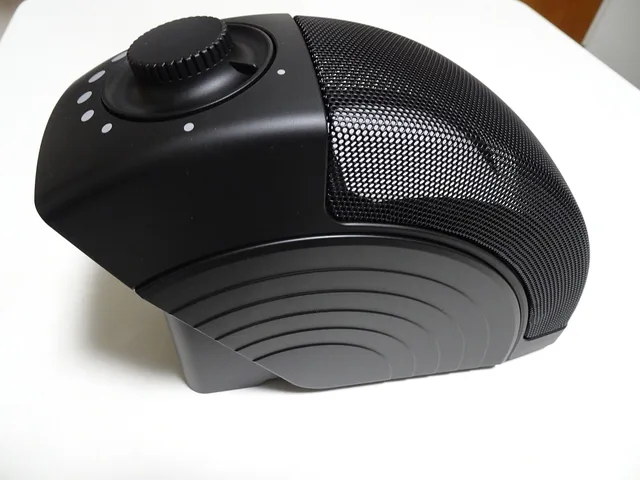
The speaker's efficiency dictates how hard the preceding components must work. An inefficient speaker forces the amplifier to work harder, generating more heat and consuming more kilowatt-hours to achieve the same listening level.
While the speaker itself does not "consume" electricity directly, its requirements dictate the consumption profile of your entire audio ecosystem.
Running costs vary depending on the amplifier's class and the impedance of the speakers used in your specific room environment.
How to choose 2026 speaker models for value?
A buyer compares two different driver materials, feeling the weight of a silk dome versus a rigid metal cone under their fingertips. To learn how to choose 2026 speaker models for value, follow these steps to ensure your selection is both sonically and economically viable:
- Check the sensitivity rating (dB) in the technical manual to determine the minimum power required for your desired listening level. 2. Match the speaker's impedance requirements with your existing or planned amplifier to avoid energy waste through heat. 3. Verify the frequency response range to ensure you are not over-driving the system to compensate for poor low-end extension.
Perform a final check by calculating the estimated daily runtime of your system against the power draw of your chosen amplifier and speaker combination.
I found that selecting a slightly more expensive, high-sensitivity model often justified itself by allowing the use of a much smaller, more efficient amplifier.
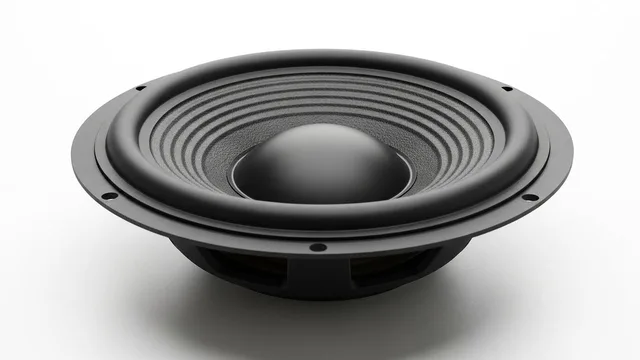
Look for models that balance high sensitivity with low standby power consumption to maximize long-term utility.
Limitations of efficiency analysis
A researcher observes a speaker in a highly reflective, echo-prone room where the acoustic environment interferes with measurements.
A limitation of this analysis is that efficiency ratings are measured in controlled, anechoic environments, which may not reflect real-world performance in a typical living space.
According to the HIGH END 2025 Audiophile Show Report, the immersive and high-performance nature of modern audio events showcases how complex environments impact sound, suggesting that theoretical efficiency may vary based on room acoustics.
Efficiency ratings often fail to account for environmental factors like room acoustics or the specific genre of music being played.
The relationship between 2026 speaker cost and efficiency is a balance of upfront hardware investment and long-term energy management. By focusing on sensitivity and power requirements, consumers can build systems that provide high-fidelity sound without excessive operational costs.
This analysis is limited to the relationship between electrical efficiency and acoustic output.







Comments 0