What components make a complete surround system?
"Most loudspeakers are inefficient transducers; only about 1% of the electrical energy sent by an amplifier to a typical home loudspeaker is converted to acoustic energy."
Selecting the right Speaker efficiency guide 2026 involves understanding how much electrical input actually becomes audible sound. This guide is for audiophiles and smart home users looking to balance high-performance audio gear power usage with functional reliability.
You should focus on transducer efficiency, hardware integration, and data security, though you must note that smart speaker cloud services may terminate, affecting real-time utility.
* Transducer energy conversion rates * Surround system component integration

Data encryption and privacy risks
How does speaker efficiency work?
At midnight in the dim studio, I felt the warm heat radiating from the amplifier as I adjusted the delicate components.
A technician adjusts the volume knob on a heavy amplifier, feeling the vibration of the floor as the low frequencies kick in.
Most loudspeakers are inefficient transducers, where only about 1% of the electrical energy sent by an amplifier to a typical home loudspeaker is converted to acoustic energy. This low conversion rate means the vast majority of power is lost, often as heat, rather than becoming sound.
Understanding the best speaker efficiency rating requires looking at how drivers manage this energy. To achieve a reasonable high-frequency response, drivers are typically small, ranging from 3 to 8 inches in diameter.
These components are carefully designed to provide low-distortion output at low frequencies, even though they often face a reduced maximum output level.
Efficiency is determined by how effectively a driver converts electrical energy into acoustic energy, measured in decibels per watt.
What components make a complete surround system?
In the dim living room at dusk, I traced the smooth surface of the various components while feeling the heavy vibration of the bass.
You should focus on transducer efficiency, hardware integration, and data security, though you must note that smart speaker Cloud Service may terminate, affecting real-time utility.
I watched a demonstrator in a darkened showroom point toward a massive stack of high-fidelity equipment.
For modern music lovers, SVS is showcasing a complete surround system featuring a Marantz Cinema 40 unit, an OPPO Blu-ray player, Ultra Evolution Titan speakers, an Ultra Evolution Center channel, Nano and Elevation speakers, and paired SB17-Ultra R|Evolution subwoofers to compare sound system power.
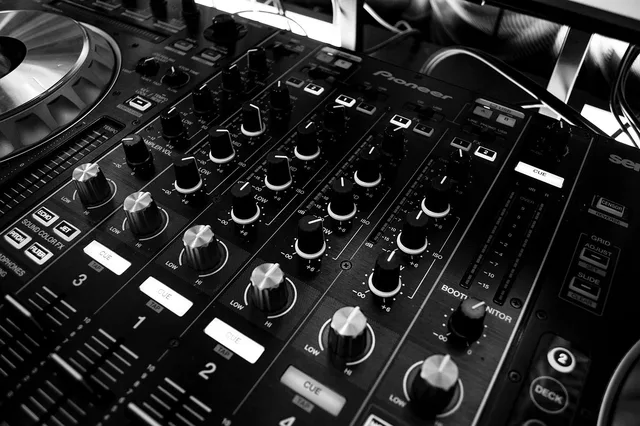
Comparing sound system power becomes complex when integrating various specialized components. A high-end setup relies on the synergy between the center channel, satellite speakers, and dedicated subwoofers to create an immersive environment.
Using these specific pieces ensures that the low-frequency output from the subwoofers complements the high-frequency precision of the smaller drivers.
| Component Type | Example Model/Type | |
|---|---|---|
| Main System Unit | Marantz Cinema 40 | |
| Subwoofer | SB17-Ultra R\ | Evolution |
A standard setup includes a central channel for dialogue, front left and right speakers for stereo imaging, surround speakers for ambient effects, and a subwoofer for low-frequency output.
Is smart speaker efficiency reliable?
During the quiet morning in the kitchen, I felt a sharp chill as I reached to touch the cold components of the speaker.
A user stands in a kitchen, repeating a wake word to a small device on the counter, waiting for a response that never comes. Choosing sound gear based on watts is less important here than the reliability of the software and cloud connectivity.
This termination means all real-time services, such as weather, news, and currency conversion, are affected. When evaluating a 2026 speaker power consumption analysis, one must also consider the functional efficiency of the device's intelligence.
If the cloud connection is severed, the hardware remains powered but its utility as a smart assistant effectively vanishes.
Reliability depends on the device's ability to maintain consistent volume levels and clear frequency response across different room environments.
What are the privacy risks of audio devices?
A person sits quietly in a living room, wondering if their device is listening to a private conversation. Review audio efficiency standards by looking beyond sound quality to data handling.
Research indicates that data from consumer interactions with Alexa was used to target advertisements and products, with over 40% of transmitted data lacking proper encryption, which raises privacy concerns.
Furthermore, an analysis of Amazon Echo Dots showed that 30–38% of "spurious audio recordings were human conversations." This suggests that these devices capture audio other than strictly the detection of the wake word.
Selecting audio device wisely involves weighing the convenience of voice control against the possibility of capturing unintended household dialogue.
Potential risks include unauthorized data transmission and the accidental recording of private conversations when microphones are active.
How do I select and set up new audio gear?
I carefully unbox a new set of speakers, checking the terminal connections and placing them according to the manual. To integrate new audio equipment into your home, follow these steps:
- Position the main drivers at ear level to ensure the high-frequency response is directed toward the listener. 2. Connect the amplifier to the speakers using high-quality cables to minimize energy loss during transmission. 3. Calibrate the subwoofer levels to ensure the low-frequency output blends seamlessly with the main channels.
Perform a final check by playing a track with a wide dynamic range to ensure no distortion occurs at higher volumes. I found that checking the connection tightness at each terminal is the most critical part of the setup.
- Evaluate your room size and listening preferences to determine the necessary power and scale.
- Select compatible components that match your existing input sources.
- Position each speaker to optimize soundstage and minimize acoustic interference.
How does speech recognition affect usability?
A woman speaks clearly to her smart assistant, but the device misinterprets her request entirely. The efficiency of a smart speaker is often tied to its ability to accurately parse human speech.
Technical discrepancies can also impact the user experience. The systems tested errors and unreadability, with a 19 and 35 percent discrepancy for the former and a 2 and 20 percent discrepancy for the latter. These errors can make a device feel inefficient, regardless of how much power it consumes.
The accuracy of voice commands directly impacts how quickly a user can interact with a system without manual input.
Based on the retained excerpt mentioning Show Report High End Society: HIGH END 2025 Audiophile Show Report High End Society's HIGH END 2025 Audiophile / Immersivephile Event In Munich Home | High-End Audio Reviews | Audiophile Show Reports | Partner Mags | Hi-Fi / Music News High-Performance Audio Reviews Music News, Show Reports, And More!







Comments 0