Smart technology guide: how to reduce energy use
"The transition to smart technology is often measured in billions of euros and millions of devices, yet the actual impact on a single household's bill remains a subject of intense scrutiny."
The 2026 landscape of digital appliances focuses on the integration of smart metering and real-time feedback to manage energy. This guide compares the efficiency of smart technology and addresses how real-time data influences consumption.
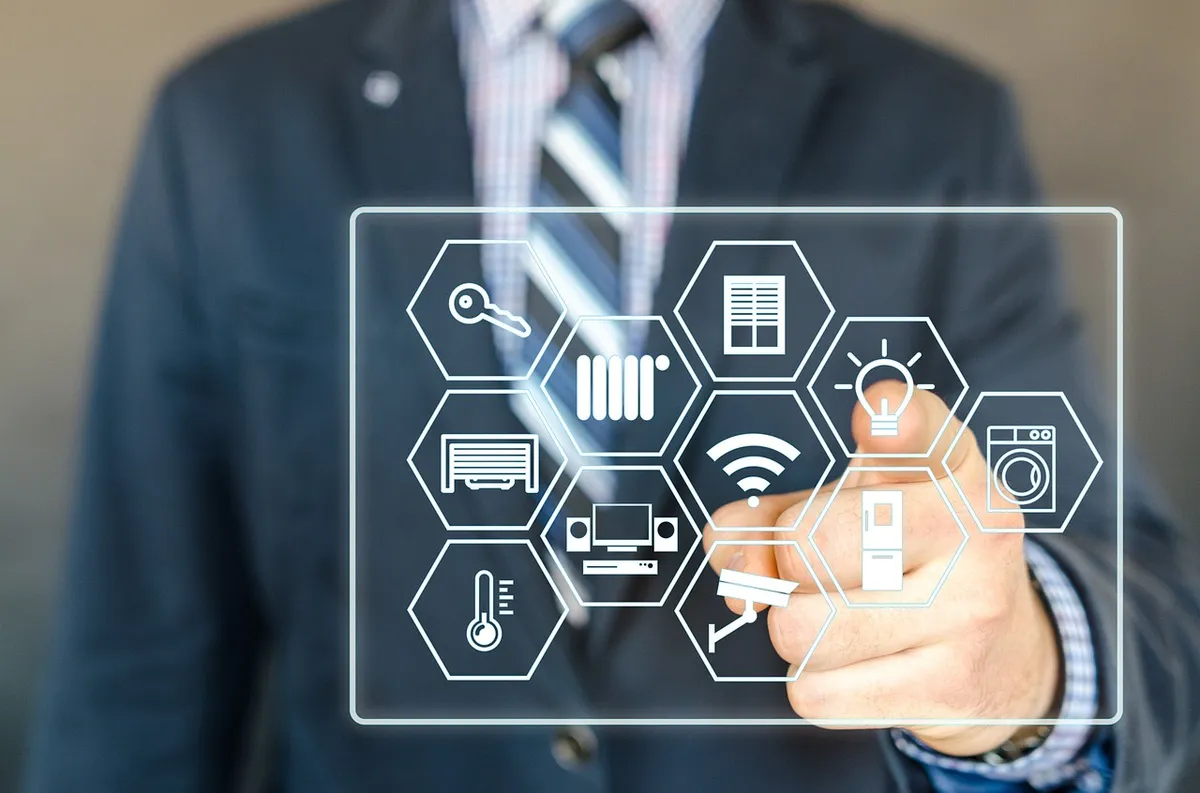
Key takeaways include the potential for a 3-5% reduction in electricity use, the importance of interoperability standards, and the reality of user engagement during pilot programs.
How does real-time feedback impact energy savings?
In the dim kitchen at midnight, I tap the glowing screen to adjust the settings, feeling a sense of relief at my smart device's instant response.
A homeowner stares at a glowing digital interface, adjusting a thermostat based on a sudden dip in the displayed usage. This interaction represents the core of modern smart grid technology.
A 2013 academic study based on existing trials showed that homeowners' electricity consumption on average is reduced by approximately 3-5% when provided with real-time feedback. This small percentage reflects the immediate response to data.
While some expect massive shifts, the reality often involves incremental adjustments to daily habits.
What standards will ensure my appliances are efficient?
In the quiet office at dawn, I run my fingers over the technical manual while pondering if these smart protocols will truly streamline my home. Engineers sit in a conference room, debating the nuances of communication protocols to ensure a device from one brand can talk to a meter from another. This interoperability is vital for a cohesive smart grid.
The Open Smart Grid Protocol (OSGP) is a family of specifications published by the European Telecommunications Standards Institute (ETSI) used in conjunction with the ISO/IEC 14908 control networking standard for smart metering and smart grid applications.
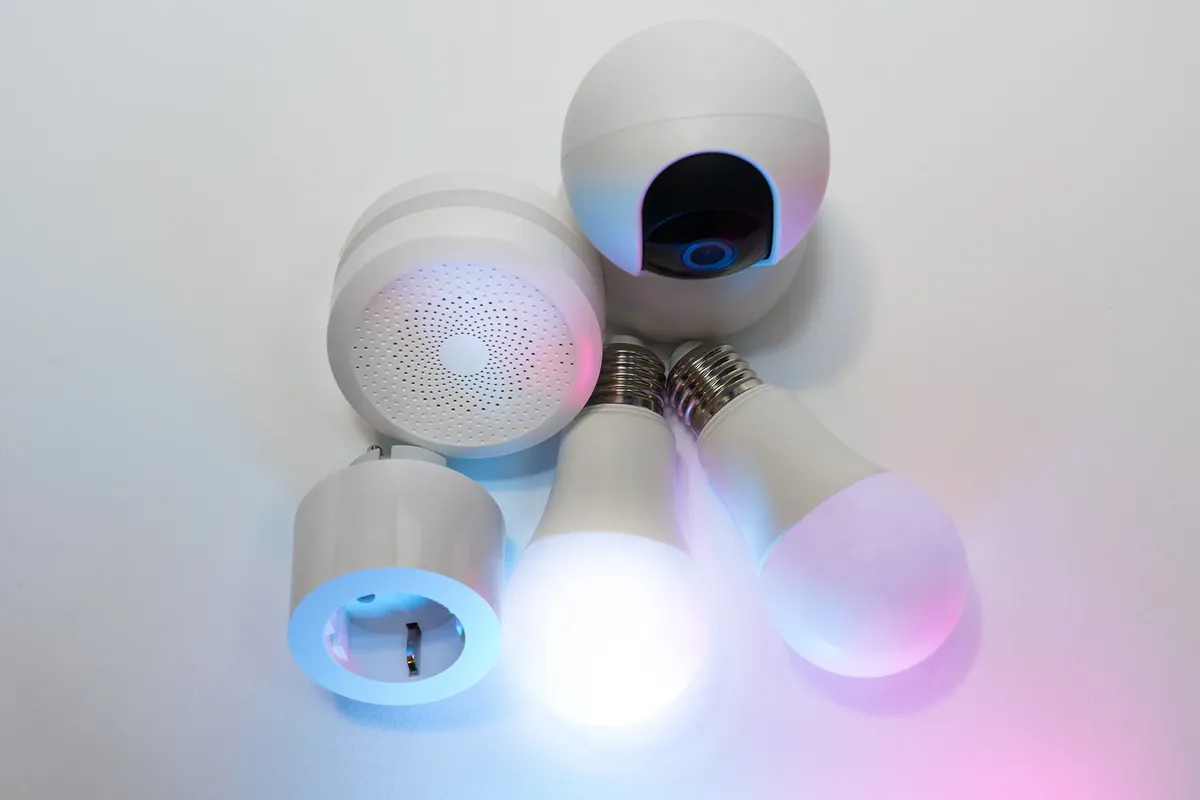
These protocols allow different devices to work together seamlessly. Ensuring these standards are followed prevents the fragmentation of the smart home ecosystem.
Can smart meters automate my energy management? A technician installs a new meter on an exterior wall, knowing it will communicate with the central grid. The device acts as a bridge between the utility and the consumer.
The HomePlug Powerline Alliance has developed a new standard for smart grid HAN communications called the HomePlug Green PHY specification. This standard helps manage communications within the home network. It ensures that data moves efficiently between the smart meter and various appliances.
Are smart devices truly effective at reducing peak usage?
A resident looks at their monthly statement, wondering if the automated adjustments actually changed their total expenditure. The gap between theoretical savings and actual behavior is a common point of discussion.
In a pilot, it was reported that fewer than 9% exhibited any amount of peak usage reduction and that the overall amount of reduction was "statistically insignificant." This suggests that while the technology is capable, human behavior does not always follow the automated path.
Some users may find that the devices do not power down as expected to save money.
What are the privacy and health considerations?
A consumer reviews a contract, hesitant about the wireless signals being transmitted from a new utility device. These concerns often drive the debate over smart technology adoption.
The Public Utility Commission of the US state of Maine voted to allow customers to opt-out of the meter change at the cost of $12 a month. This decision followed complaints about health, hacking, and privacy concerns with wireless digital devices.
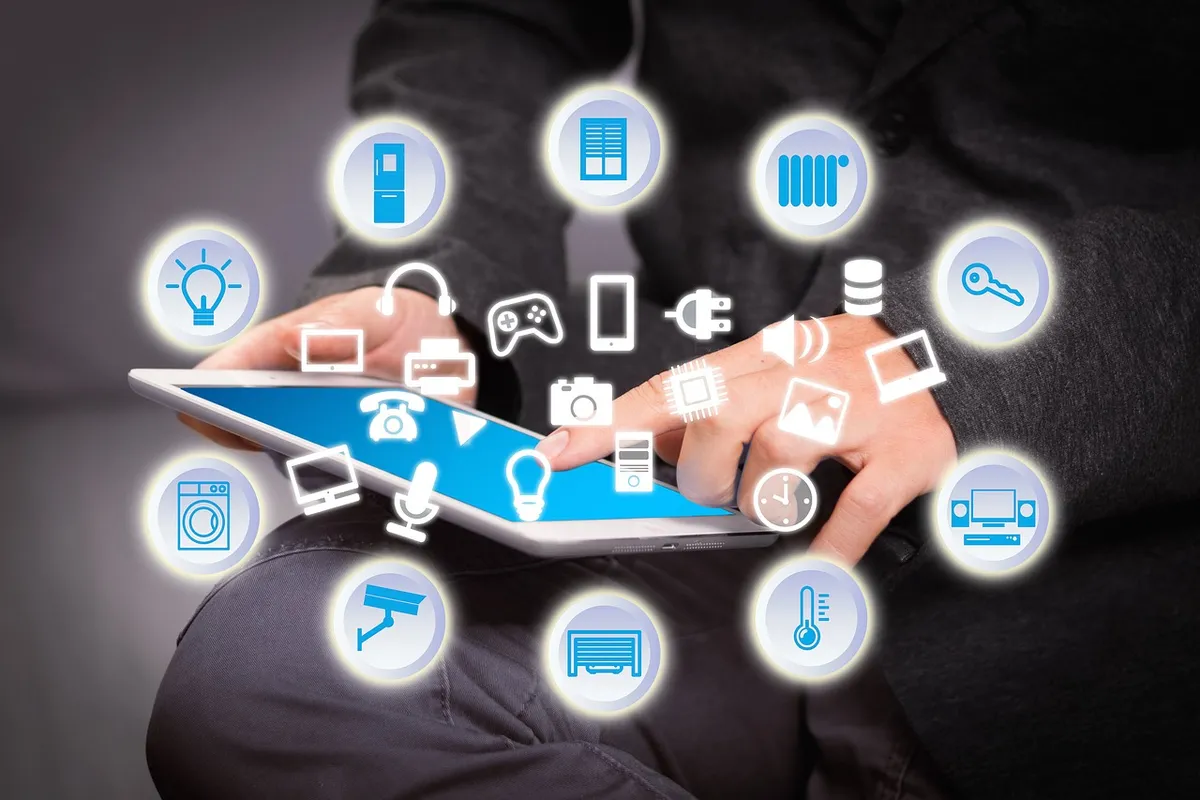
It highlights the tension between technological advancement and consumer choice.
| Metric | Reported Impact/Value |
|---|---|
| Average electricity reduction via feedback | 3-5% |
| Peak usage reduction in specific pilot | Less than 9% |
I observed how a single interface could change a user's interaction with their home, yet the statistical significance of these changes remains a hurdle for widespread adoption.
A limitation of these efficiency gains is that they are often dependent on active user engagement, which can be inconsistent across different demographics.
Related
- Future of smart appliances research: Tips on sector spending
- Appliance lifespan value: Guide to circular economy tips
What are the conditions for successful smart technology integration? 1. Interoperability standards must be followed to prevent ecosystem fragmentation. 2. Active user engagement is a condition for achieving efficiency gains. 3. The integration requires seamless communication between disparate devices.
The transition to smart technology demands adherence to established protocols for its components to function as a unified system. A cohesive smart grid relies on the ability of various devices to communicate effectively with one another.
According to the The European Commission, the European Commission DG Energy estimates the 2020 installed base to have required €18.8 billion in investment, growing to €40.7 billion by 2030, with a total deployment of 266 million smart meters.
This interoperability is a necessary condition for realizing the potential benefits of the smart infrastructure.
How does the transition affect consumer perception of smart technology? 1. Consumers often perceive the transition as a large financial undertaking, as suggested by the billions of euros mentioned in the initial assessment. 2. The actual impact on a single household's bill introduces a discrepancy between the macro-level investment and the micro-level outcome. 3. User engagement during pilot programs reveals that the perceived benefit does not always match the measured reduction in usage.
This divergence between large-scale investment and individual savings highlights a critical caution regarding the rollout of smart technology. The initial promise of massive shifts in consumption often contrasts with the incremental adjustments observed in real-world trials.
The comparison between the potential 3-5% reduction and the less than 9% reduction in peak usage demonstrates a gap between theoretical capability and practical application. This gap requires careful consideration when evaluating the success of a smart technology deployment.



Comments 0