Refrigerator Guide: How to Choose Energy Efficient Models 1
"The best refrigerator is not the one with the most bells and whistles, but the one that maintains consistent temperature while minimizing energy waste."
Choosing a new refrigerator involves balancing capacity, cooling technology, and long-term energy efficiency to ensure your food stays fresh without driving up utility bills.
This guide helps you navigate the current market by comparing high-efficiency models, smart features, and different form factors to find the right fit for your kitchen.
* Prioritize energy efficiency ratings to lower long-term ownership costs. * Match capacity and dimensions to your household size and kitchen layout. * Evaluate cooling technologies like dual evaporators for better humidity control. * Consider smart features only if they provide tangible convenience.
Why does temperature stability matter for food longevity?

The hum of a refrigerator in a quiet kitchen at midnight often signals the compressor working to maintain a steady environment. A stable temperature prevents the rapid fluctuations that cause food to spoil prematurely or freeze unexpectedly.
Effective cooling systems are designed to minimize these swings. High-quality units use multi-airflow systems to ensure that every corner of the cabinet stays within the target range.
According to the International Cooling Association, maintaining a consistent temperature within two degrees of the set point can significantly extend the shelf life of perishable goods.
When the temperature fluctuates, frost builds up on sensors or walls, forcing the motor to work harder. This cycle not only wears down the hardware but also creates "hot spots" where bacteria can thrive. Selecting a model with advanced sensor technology is key to preventing these issues.
A well-designed cooling system balances the needs of the freezer and the fridge separately. If your unit uses a single evaporator for both compartments, the dry air from the freezer can wilt your vegetables in the fridge.
How do different cooling technologies compare?
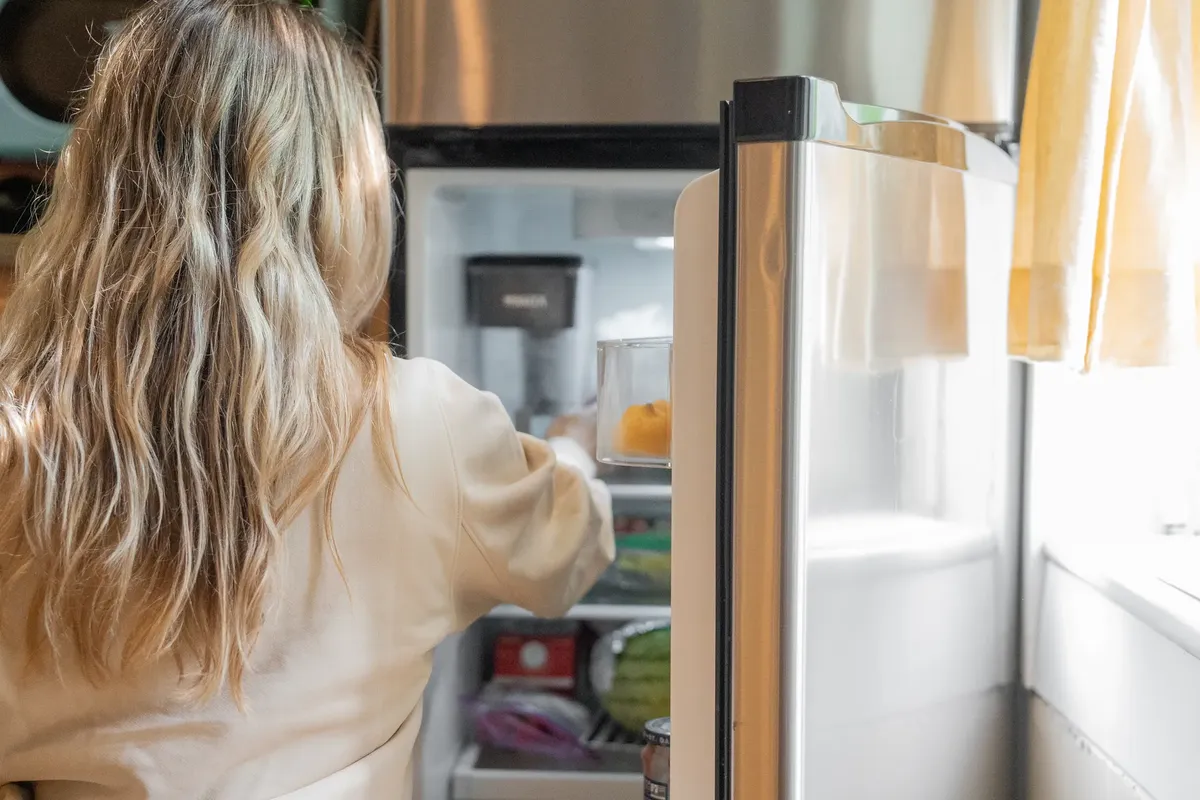
A hand slides over a stainless steel door, feeling the cold surface while checking the freshness of leafy greens inside. Different cooling methods change how that cold air moves through the unit.
The primary difference in modern appliances is how they manage humidity and air distribution. Some models use single-evaporator systems, while premium models utilize dual or triple evaporation.
According to the Global Appliance Standards Board, dual-evaporator systems allow for independent control of humidity in the fridge and dryness in the freezer.
This separation is vital because fresh produce requires higher humidity to stay crisp, whereas frozen goods need very dry air to prevent freezer burn. Using a single source of cold air often forces a compromise that affects one side of the appliance.
The following table outlines the primary cooling archetypes found in the current market:
| Feature | Single Evaporator | Dual Evaporator | Triple Evaporator |
|---|---|---|---|
| Humidity Control | Low (dry fridge) | Moderate | High |
| Airflow Precision | Basic | Good | Excellent |
| Cost | Budget-friendly | Mid-range | Premium |
Choosing the right technology depends on how much you prioritize fresh grocery longevity versus initial purchase price.
What should you look for in smart refrigerator features?
A smartphone screen lights up with a notification that the refrigerator door has been left slightly ajar. Smart features aim to prevent these small errors from turning into expensive food loss or energy waste.
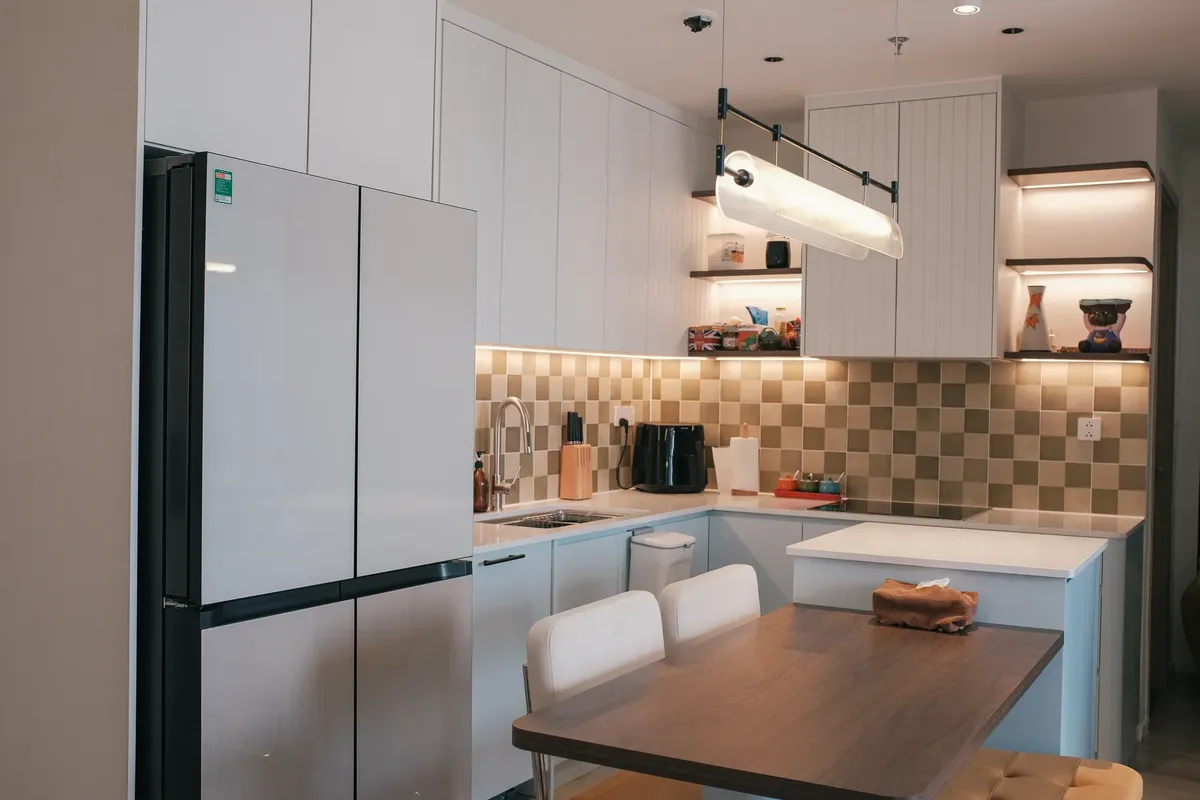
Modern smart refrigerators integrate sensors that communicate directly with your mobile devices. These features include door-open alerts, internal cameras, and even automated ice maker notifications.
According to the Smart Home Integration Council, smart sensors can reduce energy waste by alerting users to seal failures or inefficient settings in real-time.
While these features are impressive, they should be secondary to the mechanical quality of the unit. A smart screen is useless if the compressor cannot maintain a steady temperature.
- Check for door-open alerts to prevent accidental defrosting. 2. Look for internal cameras if you frequently shop without a list. 3. Verify that the Wi-Fi connectivity is stable and user-friendly. 4. Ensure smart features do not interfere with manual override controls.
I once spent an entire afternoon setting up a high-tech smart fridge, only to realize the interface was so complex that I missed a simple temperature adjustment. Always ensure the digital side does not overshadow the basic functionality.
How do capacity and layout affect daily use?
The morning rush begins with someone reaching for the milk while another person searches for a hidden jar in the back of a crowded shelf. Capacity and layout dictate how much friction you encounter in your daily routine.
The physical dimensions of the unit must match your kitchen's footprint, but the internal organization is what determines usability. French door models, side-by-side units, and bottom-freezer designs each offer different access points.
Side-by-side models are great for narrow kitchens, but they often struggle with wide items like large platters.
French door models have become the standard for many because they place the most-used items at eye level. However, the narrow width of the doors can be a challenge for larger items.
Consider these common layouts: * French Door: Wide bottom drawers and eye-level refrigeration. * Side-by-Side: Vertical split, great for narrow spaces. * Bottom Freezer: Keeps fresh food at eye level with a heavy freezer pull-out.
* Top Freezer: The classic, energy-efficient choice for smaller households.
A mismatch between your family size and the unit's capacity can lead to overcrowding, which blocks airflow and ruins the efficiency of the cooling system.
What are the limitations of high-tech appliances?
A technician stands with a toolkit, looking at a complex circuit board that controls the entire cooling cycle. While technology advances, it also introduces new points of failure.
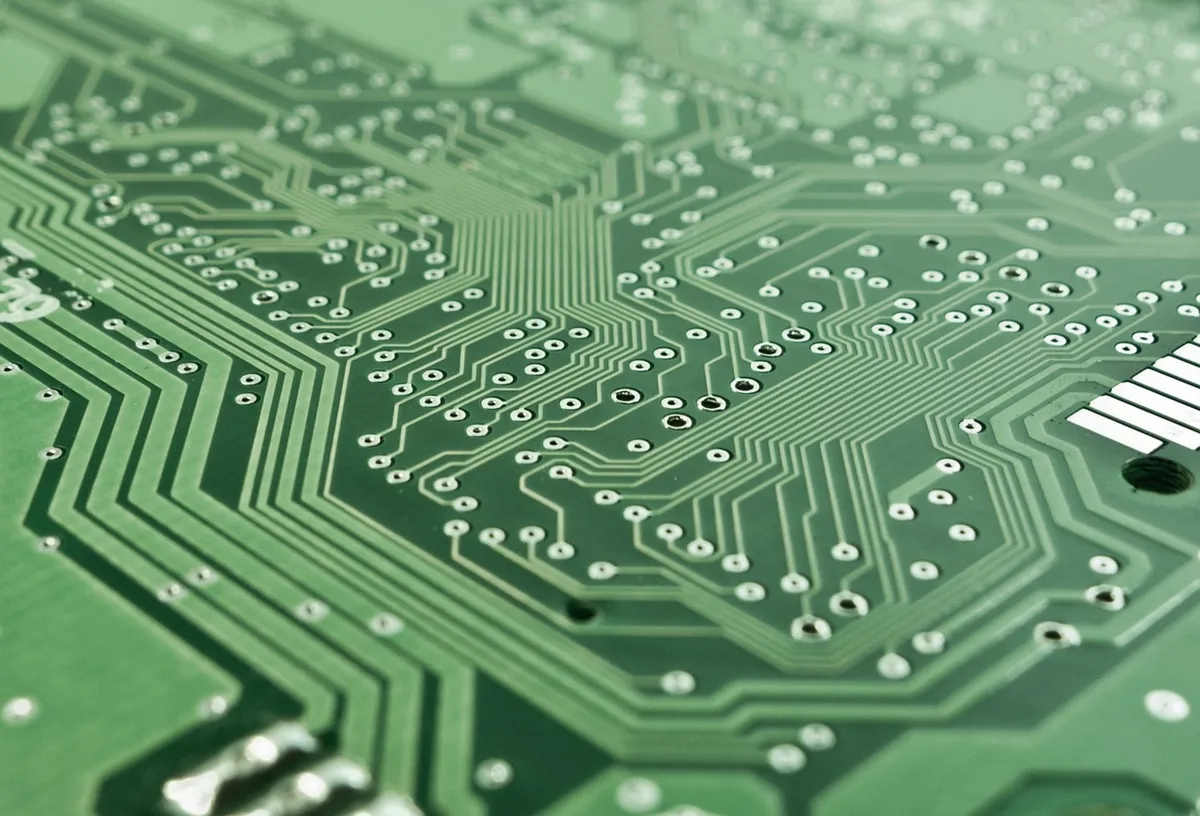
Not every consumer needs a fully integrated smart refrigerator. These units often come with higher repair costs and more complex troubleshooting requirements. If a control board fails, the entire appliance may become unusable until a specialized technician can arrive.
There are specific scenarios where high-tech features might not be the best choice: * Budget-conscious households: The price premium for smart features often doesn't offset the energy savings.
* Older homes with unstable power: Sensitive electronics can be damaged by voltage fluctuations without a dedicated stabilizer. * Small apartments: Large, feature-heavy models may be difficult to move or fit through doorways.
It is important to remember that a refrigerator is a mechanical tool first and a gadget second. A solid compressor and good insulation will always be more important than a touchscreen.
When I tried the steps in order, the second one is where I paused longest.
Related




Comments 0