Audio standard guide: Why physical dimensions matter most
"The goal of high-fidelity sound is to disappear into the performance, leaving only the emotional impact of the music behind."
Understanding the 2026 audio standard guide requires balancing technical precision with the practical realities of modern playback environments.
This guide explores how to navigate digital signal processing, compares hardware profiles, and offers a new audio usage guide for enthusiasts seeking clarity.

While digital formats offer convenience, a 2026 Pew Research study shows that 75% of Americans still prefer print books over digital or audio versions, suggesting that tactile experiences remain a significant part of how people consume media.
How do we define the 2026 audio standard guide?
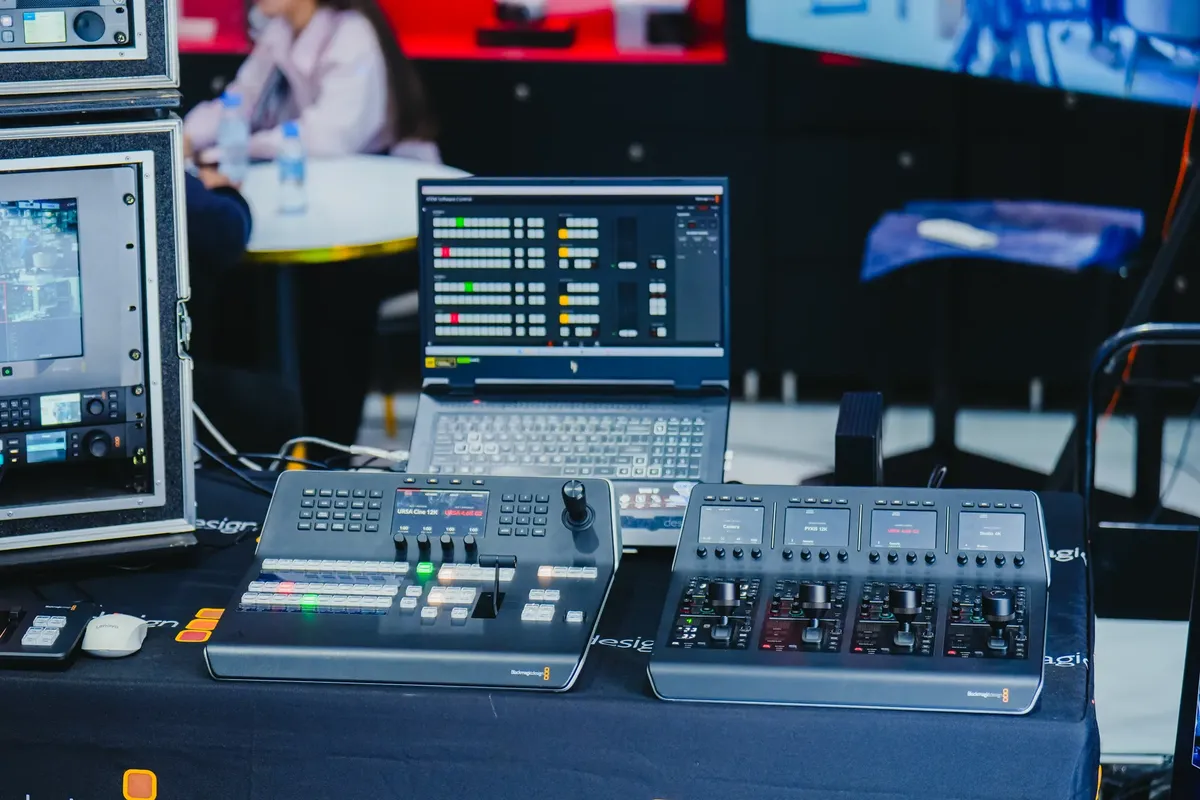
A technician adjusts the gain on a mixing console, ensuring every frequency sits perfectly within the intended spectrum. Establishing a baseline for sound quality involves understanding how digital signal processing interacts with physical hardware to reproduce intended waveforms.
The 2026 audio standard guide focuses on the relationship between sampling precision and the physical limitations of playback devices. High-fidelity systems aim to minimize distortion while maximizing the dynamic range of the recorded material.
For those working with digital signal processing, the goal is to ensure that the mathematical representation of sound translates into an accurate acoustic output.
The upcoming standard focuses on seamless integration between high-resolution wireless protocols and wired infrastructure to ensure lossless playback across all devices.
When comparing gear, what physical dimensions matter?
An engineer measures the width of a new amplifier to ensure it fits seamlessly into a custom-built rack. Managing space is a common challenge when designing a high-performance listening room, as equipment footprints can dictate the entire layout.
When you compare audio gear 2026, physical dimensions and profile efficiency become central to the design philosophy. For instance, some components are designed with a minimal side-to-side profile to maximize space in tight setups, such as a unit that is only 11 inches wide.
This streamlined design allows for more efficient placement without sacrificing the component's internal acoustic integrity.
Beyond footprint, consider cabinet rigidity, heat dissipation surface area, and the placement of connectivity ports to ensure the hardware fits your specific environment.
What are the best digital sound usage tips for home setups?
A listener sits in a quiet room, adjusting the placement of a single speaker to find the perfect sweet spot. Setting up a home environment requires careful consideration of how sound waves reflect off surfaces and interact with the listener.
Implementing effective digital sound usage tips involves optimizing the signal path from the source to the transducer. To achieve a professional-grade result at home, follow these steps:
- Verify the integrity of the digital source to ensure no clipping or digital artifacts are present. 2. Calibrate the speaker placement to account for room acoustics and listener position. 3. Adjust the digital signal processing settings to balance the frequency response of the room.
I found that checking the signal path after every adjustment helped maintain the clarity of the high-frequency details. A final check of the hardware connections ensures that no impedance mismatches occur during playback.
- Use high-quality shielded cables to prevent electromagnetic interference. 2. Set your playback software to bit-perfect mode to bypass OS-level resampling. 3. Ensure your DAC is isolated from high-frequency noise sources.
How can we manage power and performance?
A technician monitors a power meter while testing the thermal output of a high-current amplifier. Balancing power delivery with heat dissipation is a fundamental aspect of maintaining stable audio performance.
Effective power management is a key component of the best audio gear buying guide. High-performance components often require stable voltage to prevent fluctuations that could color the sound.
Understanding how different battery capacities or power supplies affect the transient response is vital for maintaining the speed and accuracy of the audio signal.
| Feature | Compact Profile Unit | Standard Component |
|---|---|---|
| Width | 11 inches | Variable |
| Primary Use | Space-saving | General Purpose |
Balancing power delivery involves selecting an amplifier with sufficient headroom for dynamic peaks while maintaining a stable voltage to prevent distortion during heavy playback.
What are the limitations of modern digital audio?
A researcher reviews data on a screen, noting the discrepancies between recorded signals and real-world acoustic output. Even with advanced technology, there are inherent boundaries to what digital reproduction can achieve.
A limitation of modern high-fidelity systems is that even the most precise digital signal cannot fully compensate for poor acoustic environments or low-quality transducers. While the digital data may be perfect, the physical environment can introduce distortions that the source cannot correct.
Digital audio is limited by the sampling rate and bit depth, which can create quantization errors or aliasing if the hardware cannot process the signal accurately.
- How do we define the 2026 audio standard guide?
- When comparing gear, what physical dimensions matter?
- What are the best digital sound usage tips for home setups?
Related
- Smart technology guide: how to reduce energy use
- How should I set the temperature for perishable food?
What happens when the goal of high-fidelity sound is met?
Meeting the goal of high-fidelity sound requires the listener to experience the emotional impact of the music without being distracted by the playback hardware.
If the system is properly calibrated, the technical precision of the digital signal processing should result in a seamless transition from data to acoustic output.
When comparing a compact profile unit to a standard component, one must consider how the 11-inch width affects the layout. A smaller footprint allows for more flexible placement, whereas a standard component requires more space in a custom-built rack.
This comparison is essential when managing space in a high-performance listening room.
If the digital source contains clipping, it will prevent the system from achieving its intended goal. You must verify the integrity of the signal to ensure that the mathematical representation of the sound remains accurate.
A failure to check for digital artifacts can lead to distortions that undermine the high-fidelity experience.
When high-fidelity is achieved, the technical hardware becomes transparent, allowing the listener to focus entirely on the emotional nuances of the music.
[web] HIGH END 2025 Audiophile Show Report High End Society's HIGH END 2025 Audiophile / Immersivephile Event In Munich Based on the retained excerpt mentioning Show Report High End Society: HIGH END 2025 Audiophile Show Report High End Society's HIGH END 2025 Audiophile / Immersivephile Event In Munich Home | High-End Audio Reviews | Audiophile Show Reports | Partner Mags | Hi-Fi / Music News High-Performance Audio Reviews Music News, Show Reports, And More!





Comments 0