Fridge energy guide: Best tips for efficient appliance use
"The optimal temperature range for perishable food storage is 3 to 5 °C (37 to 41 °F)."
A 2026 fridge energy guide requires understanding how temperature regulation and compartment design dictate long-term power costs. This guide covers how to select efficient models, the impact of door design on energy use, and specific temperature settings for food safety.
Key takeaways include maintaining the 37 to 41 °F range for perishables, understanding how freezer settings affect refrigerator stability, and recognizing how door materials influence efficiency.
How do I evaluate a new fridge energy guide?
At the bright appliance showroom, I squint at the printed guide while running my finger along the cold glass of the new fridge.
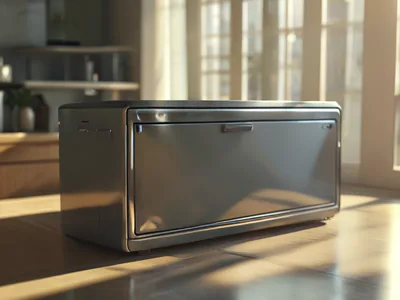
Standing in a bright appliance showroom, a shopper compares the sleek glass doors of a modern unit against older, solid metal designs. Selecting a new appliance involves analyzing how design choices impact daily electricity consumption.
A new fridge power rating is often influenced by the physical structure of the unit, such as whether it uses glass doors for inspection or solid insulation.
According to technical data, doors made of glass to allow inspection of contents improve efficiency significantly over open display cases, which use 1.3 times the energy. This means that while glass might seem less insulated, specialized designs can manage thermal loss effectively.
Modern buyers should look for units that balance visibility with thermal retention. Understanding the energy trade-offs between different door styles helps in selecting a model that fits both aesthetic and budgetary needs.
What are the best energy efficient fridge features to look for?
In the silent kitchen at midnight, I reach out to touch the frosted surface of the new fridge, feeling the gentle hum of the cooling system.
Walking through a kitchen, a homeowner notices how the cooling system hums quietly while keeping the interior perfectly chilled. Finding the best energy efficient fridge often means looking for advanced thermal management systems.
Efficiency is closely tied to how the appliance manages internal temperature zones. For example, most household freezers maintain temperatures from −23 to −18 °C (−9 to 0 °F), although some freezer-only units can achieve −34 °C (−29 °F) and lower.
A well-designed unit manages these extremes without wasting energy on unnecessary cooling.
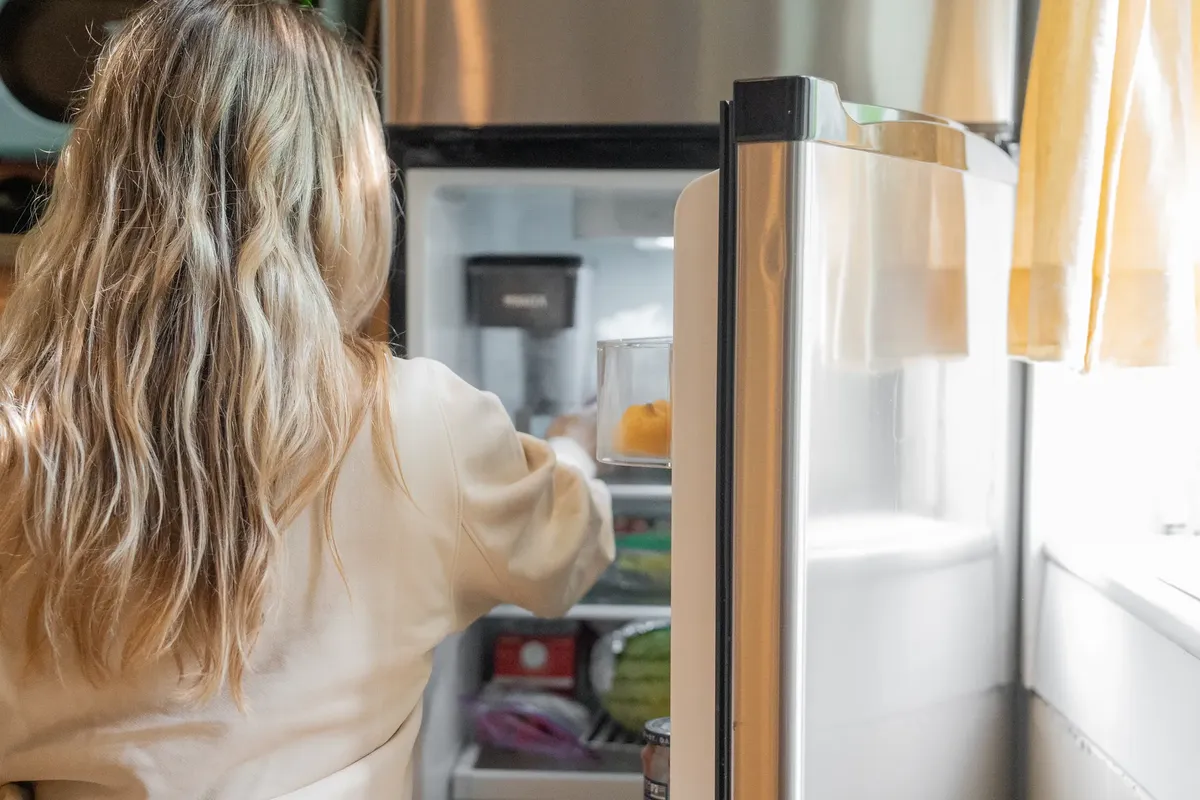
Choosing a model with precise temperature control ensures that the compressor does not overwork. This prevents the unnecessary energy spikes often seen in older, less precise appliances.
How do I use buying fridge efficiency tips to save money?
A person sits at a kitchen table, calculating monthly utility costs against the price of a new appliance. Using buying fridge efficiency tips involves more than just looking at the sticker price; it requires looking at the long-term operational costs.
One major factor is the relationship between the freezer and the refrigerator compartments. Refrigerator freezers generally do not achieve lower than −23 °C (−9 °F), since the same coolant loop serves both compartments.
Lowering the freezer compartment temperature excessively causes difficulties in maintaining above-freezing temperature in the refrigerator compartment.
To maximize savings, avoid setting the freezer to extreme lows unless necessary. This prevents the refrigerator side from struggling to stay cool, which would otherwise drive up energy use.
What is the 2026 appliance power use trend for cooling?
An engineer examines a blueprint of a high-tech cooling system, noting the complex loops of refrigerant. Analyzing 2026 appliance power use requires understanding the physics of heat exchange and compartment balance.
According to Johns Hopkins University, Refrigerators and food preservation in foreign countries.
According to the Energy Information Administration, the residential energy survey now includes estimates for more than 20 new end uses.
The efficiency of a single-loop system is a vital consideration for residential units. Because the same coolant loop often serves both the refrigerator and freezer, the temperature in one affects the other.
If the freezer is set too low, the refrigerator compartment may struggle to maintain its required temperature.
Efficiently managing these two zones is the primary goal of modern engineering. Selecting a unit with a robust cooling loop can prevent the energy-heavy cycle of constant temperature fluctuations.
How can I check fridge efficiency during daily use?
A resident checks the thermometer inside the refrigerator, ensuring the digital readout matches the desired setting. Learning how to check fridge efficiency involves regular monitoring of internal temperatures.
The primary goal is to keep perishable food within the optimal range of 3 to 5 °C (37 to 41 °F). If the refrigerator is running constantly, it may indicate that the freezer is set too low or the seals are failing.
Regularly verifying that the temperature remains stable helps identify if the unit is consuming more power than it should. Maintaining these specific ranges is the most effective way to ensure both food safety and energy savings.
What are the low power fridge buying guide steps?
A buyer holds a spec sheet, comparing the cooling capabilities of two different models. Following a low power fridge buying guide involves a systematic check of temperature ranges and compartment design.
To select an efficient unit, follow these steps:
- Verify the freezer temperature range, noting that most maintain −23 to −18 °C (−9 to 0 °F). 2. Check the refrigerator's ability to maintain the 3 to 5 °C (37 to 41 °F) range. 3. Evaluate the door design to ensure it provides adequate insulation for the chosen environment.
I found that comparing these specific temperature capabilities is the most helpful way to predict long-term stability. A final check involves confirming that the unit's cooling loop can handle both compartments without causing one to fail.
| Feature | Standard Freezer Range | Ultra-Low Freezer Range |
|---|---|---|
| Temperature | −23 to −18 °C (−9 to 0 °F) | −34 °C (−29 °F) and lower |
One limitation is that standard refrigerator-freezer combos are limited by their shared coolant loops, which prevents the freezer from reaching the ultra-low temperatures seen in specialized laboratory units.
- How do I evaluate a new fridge energy guide?
- What are the best energy efficient fridge features to look for?
- How do I use buying fridge efficiency tips to save money?
2026 fridge energy guide
The subject here is 2026 fridge energy guide.
This part also covers understanding fridge energy labels.
Related







Comments 0