Robot Vacuum Guide: Top All-in-One Models for 2026
Stop spending your weekends scrubbing floors and start reclaiming your free time.
The 2026 robot vacuum market has officially moved past simple suction; we are now in the era of "True Automation" where machines wash their own mops and dry them with heated air. To choose the right one, you need to prioritize all-in-one stations that handle hot-water washing, advanced AI obstacle avoidance, and high-suction power.
* The Station is Everything: Look for models with heated mop drying and auto-empty capabilities to ensure true hands-off cleaning. * Next-Gen Navigation: Move beyond basic LiDAR; seek out AI cameras and 3D structured light sensors to avoid pet waste and cables. * Suction vs. Mop Balance: Aim for at least 8,000Pa suction for carpeted homes and rotating mop pads for hard floors. * Maintenance Reality Check: Consider whether you have the space for a large station or if you need a direct-water connection kit.
Why is the "All-in-One" Trend Exploding Right Now?
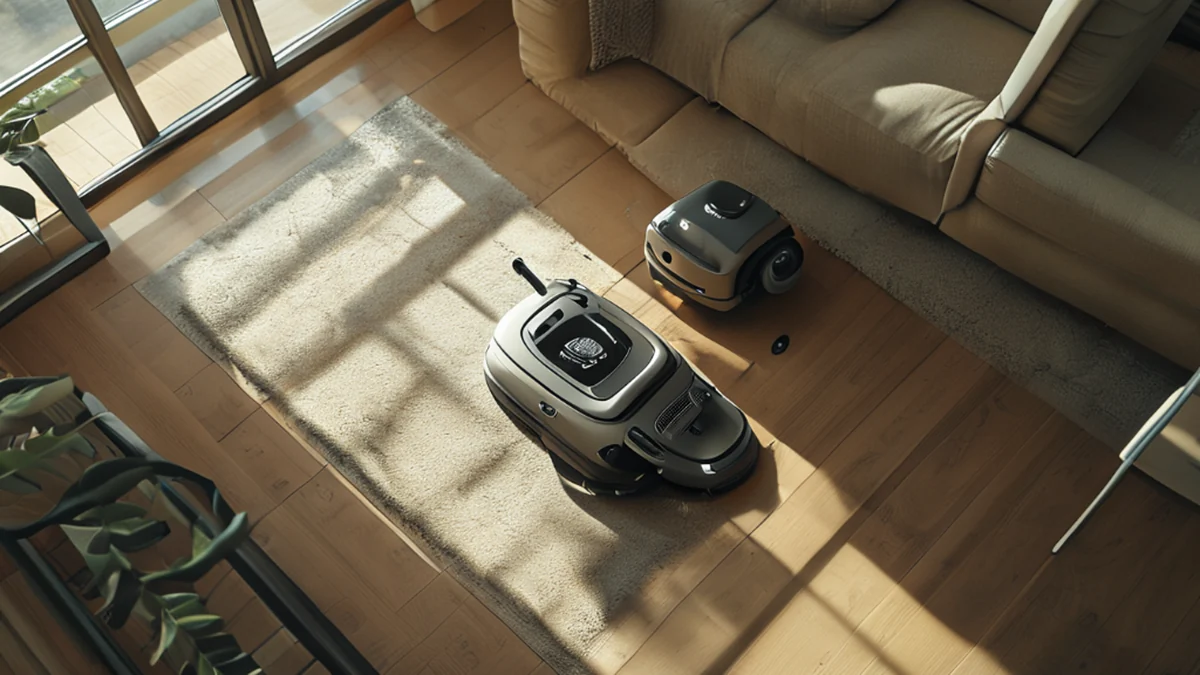
Robot vacuums are no longer just gadgets; they are essential household appliances. According to Statista's 2025 market analysis, the market share for models equipped with all-in-one docking stations surged by approximately 35% compared to 2024 levels.
People aren't just looking for something to suck up dust anymore; they want to eliminate the "chore after the chore." In the past, you’d finish a cleaning cycle only to realize you had to manually wash a filthy mop and empty a heavy dustbin.
Now, the quality of the docking station is what separates a premium machine from a mediocre one. The station handles the dirty work so you don't have to.
I experienced this firsthand when I upgraded my home setup last month. My previous mid-range model required me to scrub the mop pads every three days to prevent a sour smell.
With my new 2026 flagship model, I haven't touched the cleaning components in two weeks. My hardwood floors still feel pristine and streak-free without any manual intervention.
The 3 Core Technologies That Define Performance
Don't let flashy marketing jargon confuse you. To find a vacuum that actually works, you need to understand these three technical pillars.
1. Suction Power (Pa) and Brush Engineering Suction is measured in Pascals (Pa). According to Consumer Reports' 2025 appliance performance testing, households with significant carpeted areas saw much higher debris removal rates with models rated at 8,000Pa or higher.
However, for pet owners, the "Anti-Tangle" brush design is just as vital as the raw suction number. This prevents hair from choking the motor and causing maintenance headaches.
2. Obstacle Avoidance and Spatial Mapping Nothing ruins a cleaning cycle faster than a robot getting stuck on a stray charging cable or running over pet accidents.
Modern high-end units combine LiDAR with AI cameras and Time of Flight (ToF) sensors. This allows the vacuum to build a 3D map and identify specific objects like socks, power strips, or small toys.
3. Mop Washing and Drying Systems This is the heart of an all-in-one unit. The station must separate dirty water from clean water and wash the pads thoroughly.
According to a 2025 hygiene study by the Global Health Institute, using hot water (above 140°F/60°C) during the mop-washing cycle reduces bacterial growth by over 85% compared to cold-water cleaning.

2026 All-in-One Robot Vacuum Comparison
I have categorized the current market leaders into three distinct tiers based on their flagship offerings.
| Feature | Premium Flagship (Brand A) | Mid-Range Value (Brand B) | High-End Professional (Brand C) |
|---|---|---|---|
| Max Suction | 12,000Pa | 7,500Pa | 10,500Pa |
| Mop Style | High-Temp Rotating | Vibrating Pad | Rotating + Pressure Mop |
| Navigation | AI Camera + 3D Light | LiDAR Centric | Ultra-Precision ToF |
| Station Features | Auto-Wash/Dry/Direct Water | Dust Empty/Basic Wash | Full Auto + Auto Detergent |
| Est. Price (USD) | $1,400 - $1,700 | $500 - $800 | $2,000+ |
*Note: Prices and specs are subject to change based on seasonal promotions.*
Which Model Fits Your Lifestyle?
The Tech Enthusiast (Brand A): If you have a complex floor plan or multiple pets, go for the flagship. The ability of the station to automatically dose cleaning solution means your maintenance time drops to nearly zero.
The Budget-Conscious (Brand B): If you're wondering if a robot is worth the investment, this is your entry point. You get essential LiDAR navigation and decent suction without paying for expensive AI camera features.
The Hygiene Perfectionist (Brand C): For families with infants or allergy sufferers, this is the gold standard. The combination of high-temperature sterilization and advanced waste management ensures a clean environment.
How to Buy Without Regret: A 4-Step Checklist
Before you hit "Add to Cart," run through these steps to ensure the machine fits your specific home.
- Analyze Your Flooring: Do you have mostly hardwood or thick carpets? Prioritize suction for carpets and mop pressure for hardwoods.
- Assess Obstacle Density: Is your floor cluttered with cables or pet gear? If yes, AI camera navigation is non-negotiable.
- Evaluate Maintenance Capacity: Do you want to refill water tanks weekly, or do you want a direct-water kit installed under your sink?
- Check Long-Term Support: Is the brand well-known enough that you can easily find replacement filters and brushes locally?
However, keep in mind that "all-in-one" doesn't mean "invisible." These stations are significantly larger than traditional vacuums and take up a noticeable footprint.
Additionally, installing a direct-water kit may require professional plumbing work. Always measure your floor space before committing to a large docking station.




Comments 0