How do motor efficiency and design impact performance?
"The measurement of air velocity and motor efficiency defines the transition from simple household tools to high-precision personal care technology."
Selecting a 2026 beauty health appliance requires looking beyond simple suction to understand motor efficiency, airflow velocity, and specialized design. This guide examines how these technical specifications impact daily use and longevity.
Key takeaways include understanding the difference between brushless efficiency and air multiplication, evaluating drying speeds, and recognizing how motor-driven airflow affects user experience.
How do motor efficiency and design impact performance?

At the workbench, the technician brushes a hand over the warm casing to check the heat from the compact motor.
A technician examines a brushless motor assembly to compare power output against energy loss. Understanding these technical metrics is essential for anyone seeking a 2026 beauty health appliance guide.
Efficiency ratings vary significantly depending on the motor architecture used in modern devices. Dyson stated its efficiency was 84%, which was less than the 96% efficiency that is achieved in some brushless designs.
This difference in percentage points can affect how long a device runs under heavy load or how much heat is generated during operation.
While high efficiency is a primary goal, the type of motor determines the specific utility of the tool. Some motors focus on raw power, while others prioritize the consistency of the air stream.
Selecting the right motor type ensures the device meets specific grooming or cleaning needs without constant maintenance.
- Evaluate the motor's power-to-weight ratio.
- Assess heat dissipation capabilities.
- Check the durability of internal components.
How does airflow velocity affect drying and cleaning? An operator watches a high-speed air stream blast through a nozzle to test the drying capability of a new prototype. Understanding these dynamics is part of developing next gen beauty device standards.

High-velocity air can transform the speed of routine tasks. The Airblade uses Dyson's Digital Motor to produce a stream of air that flows at up to 430 mph (690 km/h) and is claimed to dry the hands in 10 to 12 seconds.
Such speeds demonstrate how concentrated airflow can replace traditional heating elements for rapid results.
Beyond just speed, the way air is moved matters for the user experience.
For certain models, the initially generated air flow is multiplied between 15 and 18 times for the models AM01, AM02 and AM03, projecting a smooth stream of uninterrupted air, without the buffeting effect caused by conventional fan blades.
This multiplication allows for a controlled environment rather than a turbulent one.
In this sequence, the second step is the most critical.
How can we compare different technological features?
A researcher sits at a desk, looking at a comparison table of various motor outputs and airflow multipliers. Finding the top health gadget criteria 2026 involves weighing these specific numbers against practical needs.
According to the Royal Society of Chemistry PUIU, one can learn how to measure the diameter of your own hair using a laser pointer.
When evaluating devices, it is helpful to see how different engineering choices result in different outcomes. The following table compares two distinct technological approaches found in high-performance airflow models.
| Feature Metric | High-Speed Drying Tech | Air Multiplication Tech |
|---|---|---|
| Velocity/Multiplication | Up to 430 mph | 15 to 18 times |
| Primary Benefit | Rapid drying (10-12 sec) | Smooth, uninterrupted stream |

I noticed that choosing between these depends entirely on whether the priority is sheer speed or the smoothness of the air delivery. This comparison shows that while both use advanced motors, their intended applications differ.
What are the best steps for buying beauty tech in 2026? A buyer holds two different handheld devices, checking the weight and the thickness of the attachments. Using the best beauty tech buying guide helps prevent common mistakes when purchasing high-end electronics.
To ensure you select a device that lasts and performs, follow these three steps:
- Verify the motor type to check if the efficiency meets your requirements for continuous use. 2. Check the airflow-to-noise ratio to ensure the device provides enough power without excessive disruption. 3. Evaluate the durability of interchangeable parts like cushions or caps.
After completing these steps, perform a final check by testing the device's response time and the consistency of the output under different settings.
Which features should be prioritized in a selection?
A shopper compares the battery life and noise levels of two different headphones and hair tools. Identifying the top features is part of the new appliance selection process.
Prioritization depends on the environment where the device will be used. For instance, some users may prioritize noise cancellation and battery life over raw power.
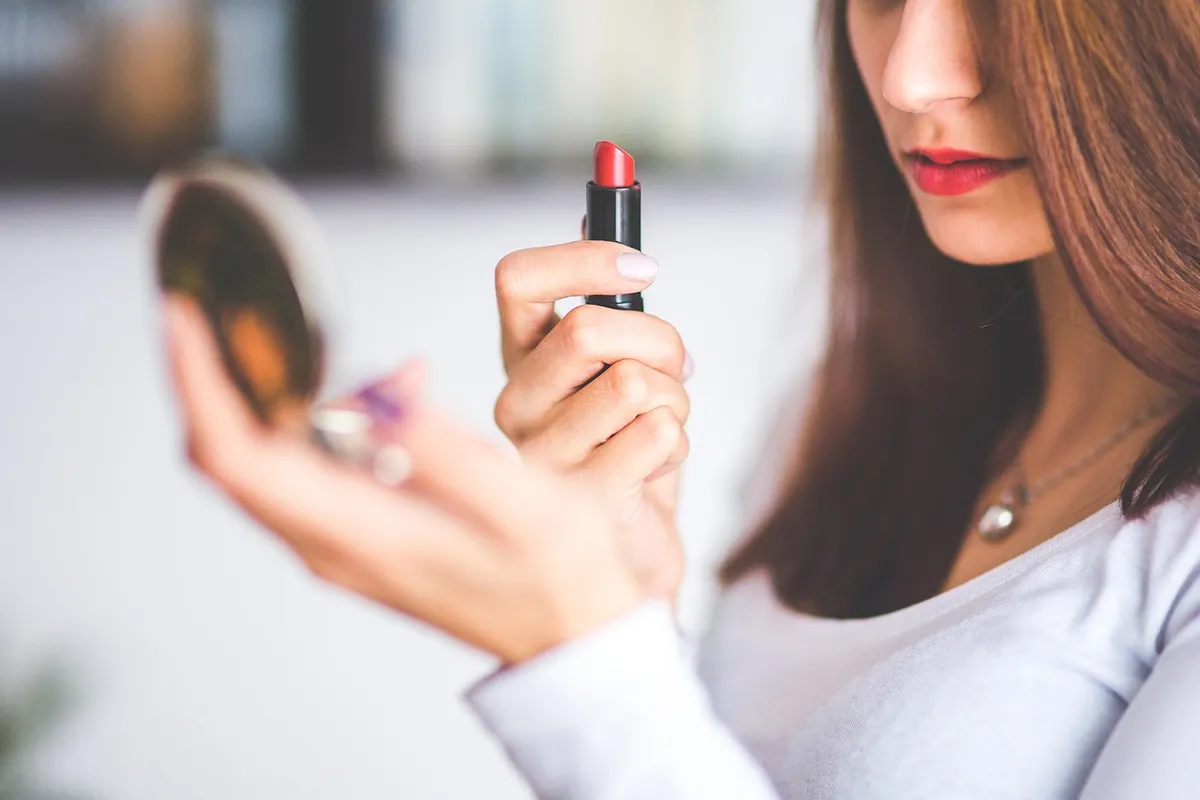
According to Dyson, key features include best-in-class noise cancellation, 55 hour battery life, and interchangeable ear cushions and outer caps that come in a variety of colors.
If the device is intended for a professional setting, airflow consistency might be more important than battery life. However, for personal use, the ease of switching between attachments and the ability to use the device for long periods without recharging are often the deciding factors.
2026 beauty health appliance guide
The same subject is also called new appliance selection factors.
This part also covers compare 2026 beauty tools.
This part also covers key features health gadgets.
This part also covers choosing smart beauty devices.
compare 2026 beauty tools
Related





Comments 0