Energy Star guide Best large screen TV guide tips
"When choosing a new television, the most significant long-term impact often comes from the energy efficiency rating rather than just the screen size."
Selecting a large-screen TV requires balancing visual immersion with long-term utility and household energy costs. This guide focuses on identifying Energy Star qualified models, comparing technical specifications, and selecting a size appropriate for your living space.
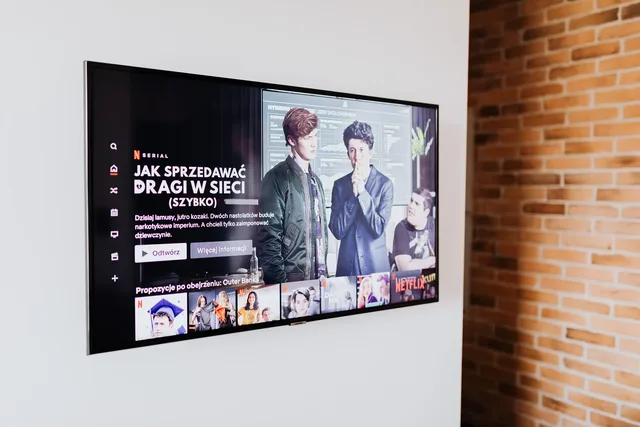
You should prioritize certified efficiency to save on electricity, but keep in mind that the durability of mass-market appliances under strict energy-saving requirements is a factor yet to be fully considered by the EPA and DOE. 1. Verify Energy Star certification for energy savings. 2. Compare technical specifications against EPA standards. 3. Assess screen size relative to viewing distance. * Check for laboratory-verified compliance rates.
How do I find the best large screen TV guide?
A shopper stands in a brightly lit showroom, squinting at the glowing edges of a 75-inch panel. They scan the bottom corner of the frame, looking for a small, familiar logo that promises efficiency.
Finding the right model starts with recognizing specific certification marks that indicate how much power the device draws during operation.
To use a best large screen TV guide effectively, you must look for the Energy Star label. This distinction is vital because large screens inherently require more power to illuminate larger surface areas.
By focusing on these certified models, you ensure the device meets specific performance benchmarks. This means a TV's requirements will be unique compared to a refrigerator or an air conditioner.
What should I look for in a TV spec comparison chart?
Late at night, I leaned forward at my desk to feel the heat from the monitor as I scanned the chart for the energy rating.
An enthusiast sits at a desk, scrolling through a spreadsheet that lists brightness levels, refresh rates, and power consumption. They highlight a row where a high-end model shows a significantly lower wattage than its competitor.
A TV spec comparison chart allows for a side-by-side look at how different technologies perform under similar conditions.
When building your own comparison, prioritize the energy rating alongside visual features. While many charts focus on resolution, the energy impact is a permanent part of the ownership experience.
A comprehensive TV spec comparison chart should include the expected energy savings provided by the manufacturer.
You can verify the reliability of these claims by looking at recent testing data. In 2023, 1,218 certified Energy Star product models completed verification testing, with an overall compliance rate of 94%.
This high rate of compliance suggests that the technical specifications listed on the chart are generally accurate for certified goods.
How do I manage family TV size selection?
A parent measures the distance between the living room sofa and the wall where the television will hang. They mark the floor with tape to visualize how a massive screen might dominate the room or feel too small for a cinematic experience. Family TV size selection is a matter of geometry and comfort.
To select the right size, follow these steps:
- Measure the precise distance from the primary seating position to the intended mounting location. 2. Consult a viewing distance chart to match the distance to a specific diagonal screen measurement. 3. Verify that the screen height does not obstruct natural light or movement in the room.
Once you have the measurements, perform a final check by sitting in the chair to ensure the scale feels natural. I found that checking the physical footprint of the stand was just as important as the screen size itself.
Can I rely on an energy efficient TV review?
A reviewer sits in a dark studio, surrounded by various electronic devices, testing how much heat a new television emits after four hours of continuous use. They record the power draw using a specialized meter to see if the marketing claims hold up.
An energy efficient TV review provides the real-world data that manufacturer brochures might omit.
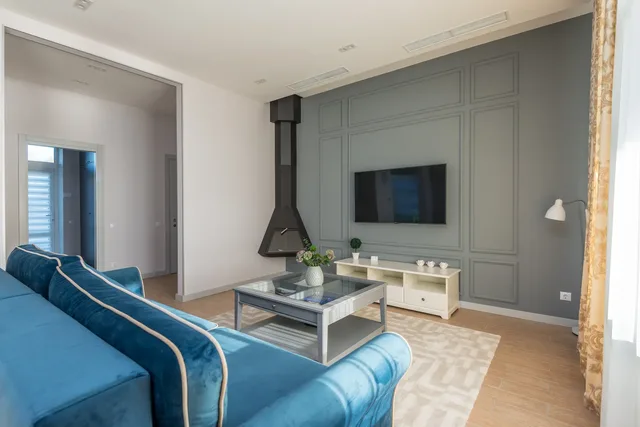
When reading a review, look for mentions of third-party testing. Products seeking Energy Star qualification are required to undergo testing by EPA-recognized laboratories and certification by EPA-recognized certification bodies. This rigorous process adds a layer of trust to the review's claims.
A high-quality review will often mention if the television's energy use fluctuates significantly between different modes, such as "Store Mode" versus "Home Mode." This distinction is critical for understanding the actual cost of ownership.
What are the steps to verify a model's efficiency?
A technician in a laboratory prepares a test environment, ensuring the room temperature and light levels are strictly controlled. They plug a new television into a calibrated power meter to begin the qualification process.
Verifying a model's efficiency involves following a structured sequence of checks.
Follow this verification process:
- Locate the Energy Star label on the product packaging or the manufacturer's official specification sheet. 2. Confirm the model number matches the one listed in the official certification database. 3. Check for recent verification testing results to ensure the model remains in compliance with current standards.
I always double-check the model number against the official registry to ensure I am not looking at an older, less efficient version of the same series.
What is the difference between various TV models?
A consumer compares two similar-looking televisions on a retail website, noting that one is slightly more expensive despite having the same resolution. They realize the price difference lies in the advanced energy-saving components and the certification level.
Comparing various TV models requires looking beyond the surface.
| Feature | Standard Model | Energy Star Qualified Model |
|---|---|---|
| Energy Usage | Average baseline | 30% less energy than average |
| Certification | Manufacturer claim | EPA-recognized testing |

The primary difference is often found in the underlying hardware designed to optimize power without sacrificing picture quality. While the visual difference might be subtle, the long-term savings are measurable.
The effectiveness of these programs is significant. According to reports, the program's estimated annual energy cost savings are more than $40 billion compared with approximately $32 million in annual EPA funding. This underscores the value of choosing efficient electronics.
The same subject is also called Recommended big TV models.
This part also covers Compare TV specs and power use.
This part also covers Find perfect TV for your family.
This part also covers Ultimate TV buying checklist now.
Compare TV specs and power use
Related




Comments 0